
Why Competitions Still Matter
Even in an age of nonstop online visibility, art competitions continue to offer value that’s hard to swipe past. For starters, entering a well curated competition gives you something every artist craves but rarely discusses validation. Not the sugary kind from comment sections, but real world feedback from juries who’ve seen it all. It’s also a sharp way to put your name in front of galleries, curators, and fellow creators who are actually paying attention.
Exposure is more than a buzzword here it’s a launchpad. The right competition can push your work from tucked away portfolio page to group exhibitions, residencies, or even direct sales. Winning isn’t everything, but shortlists and finalists are often where careers start to open up.
Since 2024, digital has fully integrated into traditional formats, and that’s not reversing. Art contests now blend on site exhibitions with global livestreams or online showcases. Hybrid judging panels, cross medium categories, and mentorship programs are more common. That’s good news for artists with varied practices, especially those working digitally or across disciplines.
What’s clear is this: entering the right competition in 2026 isn’t just a flex it’s a strategic move. And the earlier you get familiar with timelines, jurors, and format changes, the better your chances of making real impact.
(Want to compare with earlier events? Check out: 2024 art competitions)
ArtPrize 2026 (Grand Rapids, MI, USA)
ArtPrize remains a juggernaut in the competition world massive, open entry, and refreshingly accessible. Anyone can submit. Any medium. Any background. That’s the beauty and chaos of it.
What sets ArtPrize apart? Its hybrid voting system. Both a professional jury and the general public decide who wins. You’re not just impressing curators you’re connecting with real people on the ground. A seasoned judge might give you a shot, but so might a passerby with a smartphone who stops to admire your work. Democracy at work.
But don’t roll in unprepared. ArtPrize is big: sprawling venues, foot traffic in the thousands, and multiple weeks of visibility. If you’re accepted, you’ll need to plan logistics early everything from installing your work in non traditional spaces (think breweries, churches, bus stops) to being present for dialogue, events, or casual studio visits. Engagement matters, especially if you’re eyeing the public vote.
Go in with strong community game and a piece that starts a conversation not just fills a wall.
The Future Generation Art Prize
If you’re an emerging artist under 35, this is one of the biggest platforms you’ll find. The Future Generation Art Prize doesn’t just offer a serious cash prize it offers global visibility and momentum. We’re talking curated international exposure that elevates your work in front of collectors, curators, and critics who actually pay attention.
The 2026 edition keeps things modern with a mixed format approach. Finalists will show their work both online and in a major physical exhibition, giving artists dual visibility and broader reach. Digital opens the gate to global eyes. The physical show adds edge, context, and credibility. It’s not just about getting seen it’s about being remembered.
With entries accepted from around the world and a clear focus on boundary pushing work, it’s a prime opportunity for artists ready to stake their claim.
The Royal Society of Portrait Painters Annual Exhibition
Don’t let the Royal Society name fool you this isn’t just a UK affair. Portrait artists from around the world are welcome to apply, and many do. Held in London each spring, the Annual Exhibition is one of the most respected showcases for realist and contemporary portraiture. If you get in, your work lands in front of serious collectors, curators, and critics.
The selection process is competitive, no question. Submissions open online, and artists are required to upload high quality images of their work. If you pass the first stage, you’re asked to deliver the physical piece for final judging. What helps you stand out? Technical skill is a baseline, not a golden ticket. Judges look for personality in the piece something beyond just a solid likeness. A sense of narrative, mood, or emotional connection can tip the balance in your favor.
One more thing: this isn’t a show that gets buried in a massive fair. People come specifically to buy or scout. Plenty of artists have used this platform to land gallery representation or commissions. If portraiture is your medium, and you’ve got something with guts and polish, this exhibition earns your time.
Luxembourg Art Prize
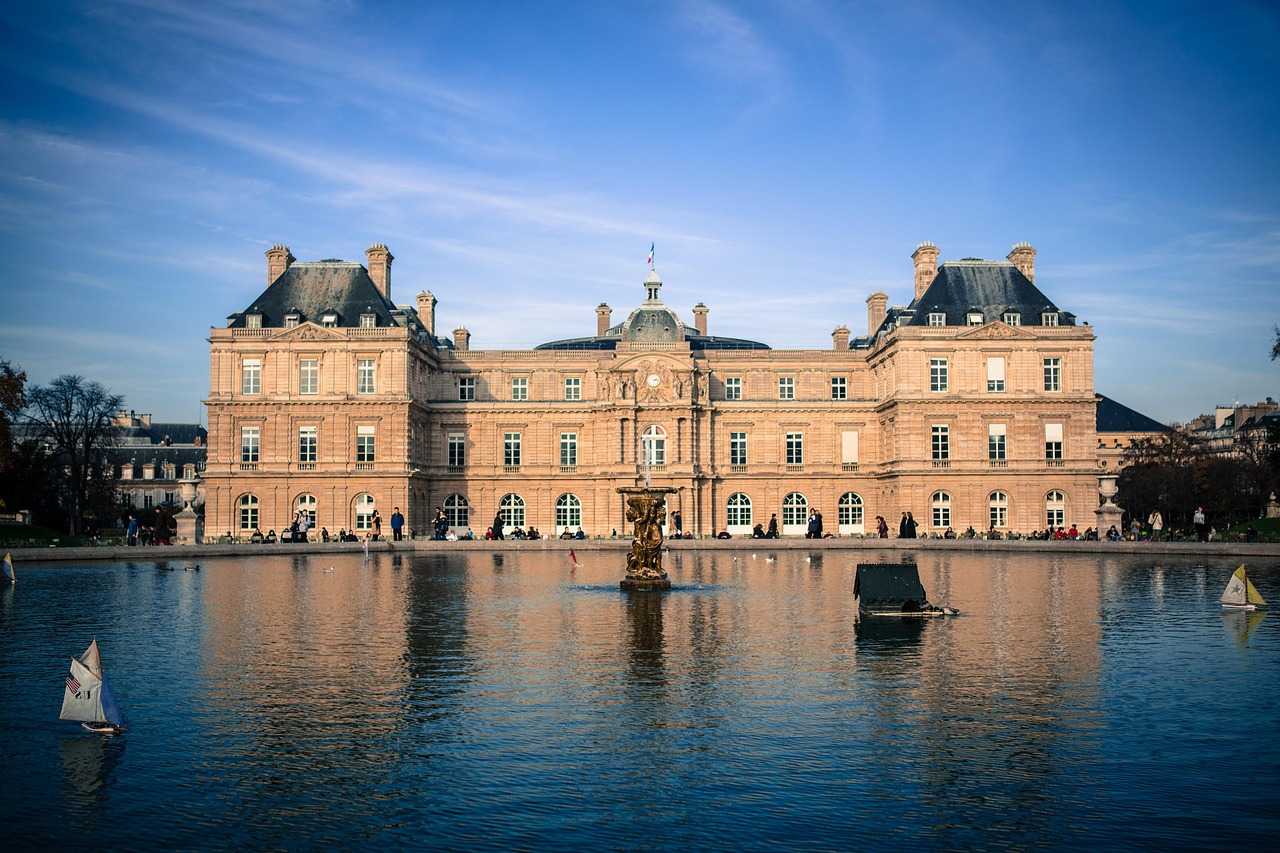
The Luxembourg Art Prize isn’t just another line on your CV it’s a full package opportunity that treats artists like professionals, not lottery entrants. The prizes are completely funded, which means selected artists don’t have to burn cash just to participate. That’s rare, and it says a lot about how seriously the organizers take artistic value over marketing flash.
The application process stands out for how clear and artist friendly it is. No backroom decision making or cryptic emails. You know what’s happening and when.
But what takes it next level is the mentorship. Winners get access to professional support that keeps delivering even after the prize money is spent. That includes gallery exposure, portfolio feedback, and networking guidance. In other words, it invests in the artist not just the art.
Sony World Photography Awards (Open to Digital Artists, Too)
This isn’t just a competition for traditional shutterbugs anymore. The Sony World Photography Awards are embracing digital manipulation, AI assisted visuals, and conceptual photo based art. If your work straddles the line between photography and digital illustration or you’re crafting surreal narratives through post production this is your playground.
The categories have evolved to reflect what’s happening in contemporary art. Expect to see more experimental image making, altered realities, and pieces that challenge the idea of what photography even is. The field is wide open for creatives who know how to blend storytelling with visuals, no matter how abstract or tech driven.
Making the shortlist here means more than just prestige. The visibility is real. Artists are landing gallery representation, book deals, and project funding straight from this exposure. It’s a high competition, high reward opportunity one that rewards not just technical skills, but strong artistic direction.
How to Choose the Right Competition for You
Choosing the right art competition isn’t just about what’s popular it’s about what aligns with your artistic identity and career trajectory. Here’s how to make smart, strategic choices for 2026.
Match Your Medium and Message
Not every competition is a good fit, even if you technically qualify. Before submitting:
Study themes and previous winners to ensure your style resonates with the competition’s tone.
Consider your body of work will the piece you’re submitting reflect your current artistic voice?
Avoid treating competitions as checkboxes. Curated, relevant submissions can outshine rushed entries.
Don’t Underestimate the Budget
Hidden costs can add up quickly. Plan for:
Entry fees often ranging from $20 to $100 per piece
Shipping and insurance for physical work, especially international submissions
Documentation professional quality photos, labeling, certificates of authenticity, framing or display support
Pro tip: Create a filing system or spreadsheet early in the year to track each competition’s key dates, costs, and requirements.
Understand the Judges Inside and Out
Each competition has its own jury, and knowing what they look for can increase your odds:
Research past judges’ bios, artistic preferences, and exhibition history
Review past shortlists or winners to identify patterns in selection
Look for alignment between your work’s tone, themes, or techniques and the judge’s curatorial profile
A thoughtful, tailored submission signals professionalism and helps your work stand out in a crowded field.
Pro Moves: Maximize Your Submissions
If you’re entering competitions in 2026, don’t wing it. Build a calendar that respects your creative rhythm. Some artists sprint; others need space to meander. Know your pace, then map deadlines accordingly. Cramming leads to half baked work and juries can tell.
Don’t treat older pieces as throwaways. Revisit and refine them with a specific contest in mind. A strategic rework can outperform something you rushed to finish last minute. Adjust color palettes, reframe a narrative, or add a new medium not everything needs to start from scratch.
And when it comes to documenting your work, be ruthless. Grainy cellphone pics won’t cut it. Get proper lighting. Use a good camera or hire someone if you need to. Strong images are your first impression. Make them count.
Stay Ahead of the Game
Don’t wait until New Year’s Eve to think about 2026. Some major art competitions are opening submissions as early as spring 2025, and the top tier spots go fast. If you want to compete at a high level, that means prepping now concepts, documentation, budgets, all of it.
The competition landscape isn’t what it used to be either. Expect more hybrid events combining physical exhibitions with interactive digital showcases. That’s good news if your work lives online or takes unconventional forms. Categories are opening up too. Think less “painting vs. sculpture” and more “immersive narrative experiences with mixed media.” If you’re stretching boundaries, now’s the time.
Stay sharp by tracking recurring trends, watching how past winners evolved, and bookmarking resources like this one: 2024 art competitions. The earlier you plan, the more strategic your submissions become.
 Leonerico Vaughan, as both an author and collaborator in the development of Avant Garde Artistry Hub, brings a unique perspective to the platform. His contributions center around the intersection of art and technology, offering artists valuable insights into the latest creative tools and techniques. Leonerico’s passion for innovation shines through in his work, helping to keep the artistic community informed and empowered.
In addition to his writing, Leonerico has played a key role in shaping the platform’s resources, particularly those focused on helping artists build sustainable careers. His dedication to the success of Avant Garde Artistry Hub makes him a vital part of its mission to support and inspire modern artists.
Leonerico Vaughan, as both an author and collaborator in the development of Avant Garde Artistry Hub, brings a unique perspective to the platform. His contributions center around the intersection of art and technology, offering artists valuable insights into the latest creative tools and techniques. Leonerico’s passion for innovation shines through in his work, helping to keep the artistic community informed and empowered.
In addition to his writing, Leonerico has played a key role in shaping the platform’s resources, particularly those focused on helping artists build sustainable careers. His dedication to the success of Avant Garde Artistry Hub makes him a vital part of its mission to support and inspire modern artists.