
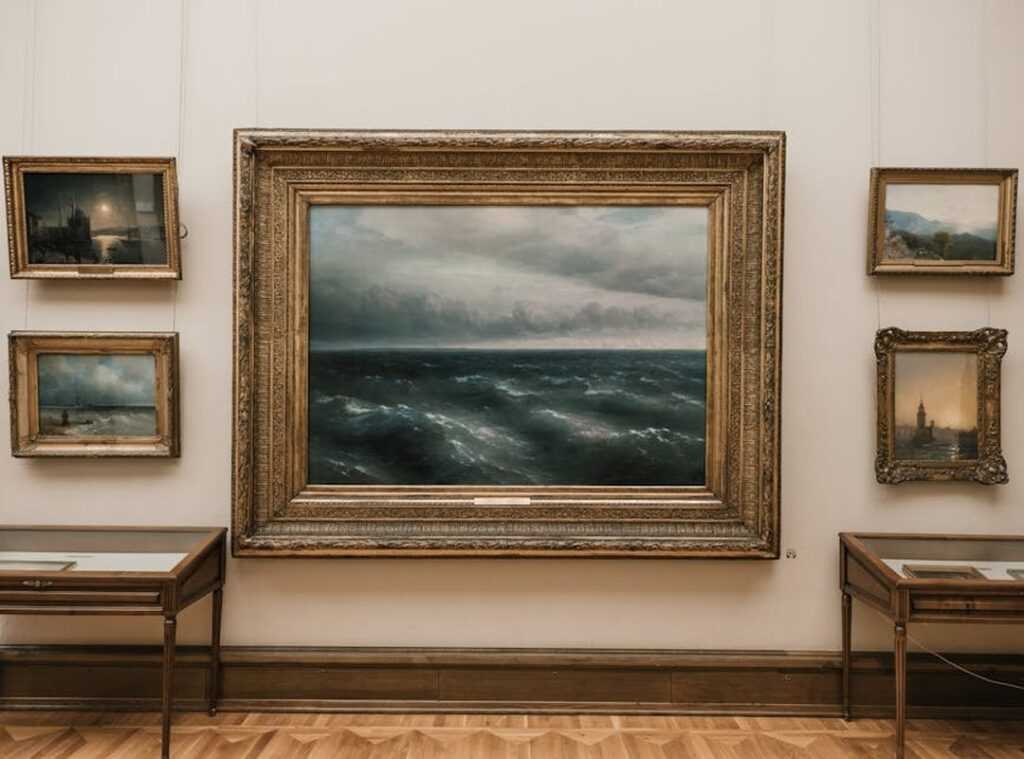
Oil paintings hit different. That thick texture. That slow-drying depth.
That smell of linseed oil still in the air.
You’ve stood in front of one and felt something click (but) then walked out of Arcagallerdate wondering what you missed.
Most people do. They don’t know what’s on. They don’t know what to look for.
They definitely don’t know why one brushstroke matters more than another.
I’ve spent years watching how oil paint behaves under gallery light. How artists build layers. How curation changes everything.
This isn’t a list of dates and names.
It’s an insider’s take on the Oil Paintings Exhibitions Arcagallerdate that actually matter.
You’ll know which shows demand your time (and) why.
No fluff. No jargon. Just what’s real.
Oil Paintings Still Bleed Real
I don’t care how many NFTs get minted this week. Oil paint still holds weight. It’s heavy.
It’s slow. It smells like linseed and history.
Old Masters used it to fake light. Contemporary artists use it to fake nothing at all.
Arcagallerdate doubles down on oil for that reason. Not nostalgia. Not tradition for tradition’s sake.
Because oil forces honesty (you) can’t rush impasto. You can’t Photoshop a glaze.
You see it in person. Not on a screen. The ridges catch real light.
The layers glow from within. That luminosity? It’s physical.
It’s chemical. It’s not pixels pretending.
Some people think oil is dead. I’ve watched them walk past a Sargent portrait and blink twice, confused by the depth.
Oil Paintings Exhibitions Arcagallerdate are where that confusion ends.
Contemporary artists there aren’t copying Rembrandt. They’re using his medium to talk about surveillance, grief, or TikTok fatigue. One painter built a whole series using walnut oil and crushed circuit boards.
Another mixed ground-up neon signs into her underpainting.
That’s the point. Oil isn’t a museum relic. It’s a living, breathing, sometimes messy tool.
If you only see it online, you’re missing the heat of the brushstroke. The drag of the knife. The slight tackiness after drying.
Go stand six inches from one. Feel the vibration.
You’ll understand why I still keep turpentine under my sink. (Yes, even in 2024.)
It’s not about resisting change. It’s about choosing what deserves your full attention.
Oil Paintings Exhibitions Arcagallerdate: Right Now and Next
I walked into the Arcagallerdate last Tuesday. The air smelled like linseed oil and old wood.
The current show is Tides of Memory. A solo exhibition by Elena Ruiz. Her work is thick, physical, almost sculptural.
She builds layers with palette knives, then scrapes them back to reveal ghosts of color underneath.
One painting stopped me cold: Low Tide, 3 a.m.
It’s seven feet tall. A woman sits on wet sand, back to us, knees drawn up. Her hair is streaked with silver paint mixed with actual crushed mica.
The sky isn’t blue (it’s) bruised violet and burnt umber, bleeding into a horizon line so thin it feels like a breath held too long.
That piece isn’t about loneliness. It’s about waiting that hasn’t decided yet whether it’s hope or resignation. (I stood there for six minutes.
No joke.)
Ruiz doesn’t hide her process. You see the drag marks, the places she changed her mind. That’s why it feels honest.
Not polished. Not performative.
Next month, the gallery flips to Burnt Sienna Letters, a two-person show with Marcus Lee and Priya Desai.
Lee paints archival documents. Letters from Japanese American internment camps. But he doesn’t reproduce them.
He reimagines them as landscapes. Fold lines become mountain ridges. Ink blots bloom into poppies.
His brushwork is tight, precise, almost forensic.
Desai responds in oil on raw canvas. She uses only three pigments: burnt sienna, lamp black, and lead white. No glazes.
No blending. Just direct, urgent strokes.
This show tackles intergenerational silence. How history lives in the body, not just the archive.
It’s not “educational.” It’s unsettling. In a good way.
Oil Paintings Exhibitions Arcagallerdate is where this happens. Not online. Not in a catalog.
You’ll leave thinking about what gets preserved (and) what gets erased (when) no one’s watching.
In person, under real light.
Go early. The morning light hits Low Tide, 3 a.m. just right (around) 10:17 a.m., give or take.
Don’t wait for the opening weekend. The first week is quiet. You’ll actually see the paintings.
Is that too much advice? Maybe. But I’ve watched people rush through shows like they’re checking boxes.
Behind the Easel: Not Just Another Brushstroke
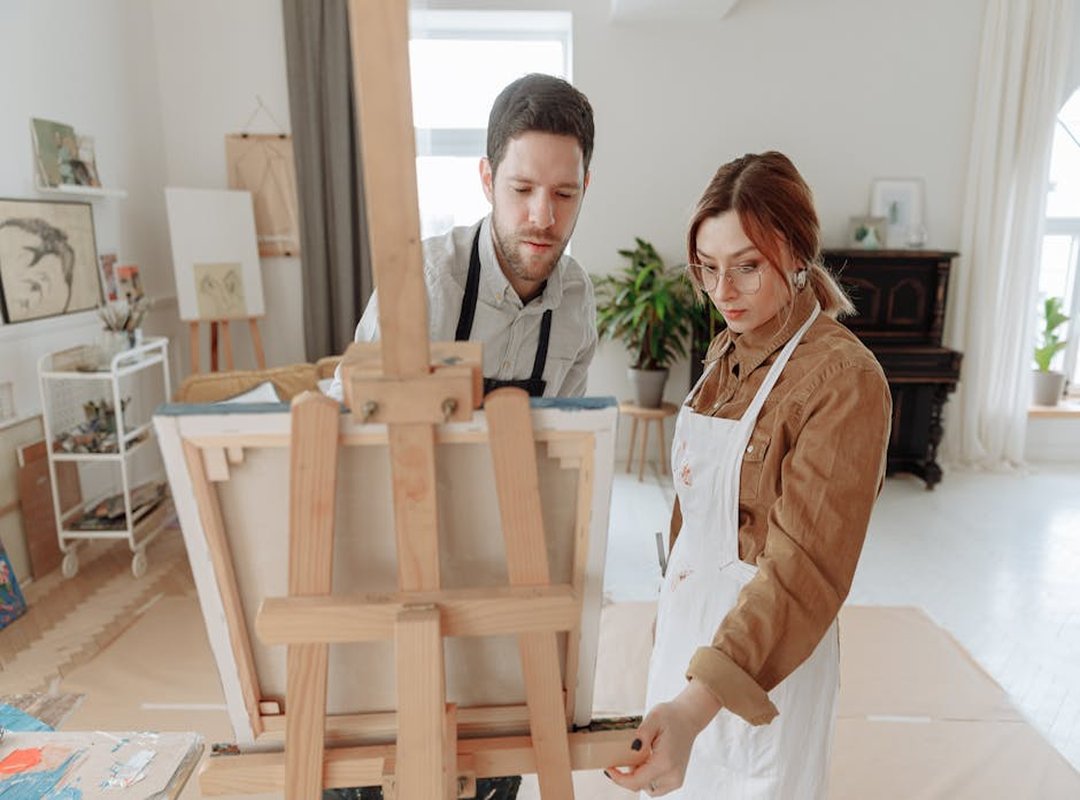
I stood in front of Lena Varga’s Low Light, High Heat last week and felt my breath catch. (It happens.)
She’s the artist currently anchoring the Oil Paintings Exhibitions Arcagallerdate (not) just filling wall space, but holding it.
Lena didn’t go to art school. She apprenticed under a restorer in Budapest. Learned how paint cracks, yellows, lifts.
That’s why she treats oil like a living thing (not) a tool, not a medium, but a collaborator with memory.
She uses glazing. Thin layers. Dozens of them.
Each one dries. Then another. Then another.
Takes weeks. Sometimes months.
You think slow work can’t hit hard? Try standing six inches from Copper Hour and watching the light shift in her skin tones as you move. It breathes.
She doesn’t chase immediacy. She chases resonance. Says: *“Oil lets me bury time in the surface.
You can read more about this in Exhibitions Oil Paintings Arcagallerdate.
You don’t see the hours. You feel them.”*
That quote came from the curator’s wall text. Not a press release. Not a bio.
Actual handwriting on vellum. (I checked.)
Alla prima artists slap color and call it truth. Lena builds truth like sedimentary rock. One layer at a time.
You see depth because it’s there, not implied.
Her palette is tight (mostly) earths, lead white, a single red oxide. No neon. No shortcuts.
She grinds her own pigments sometimes. (Yes, really.)
You’ll find her current series. All oil, all hand-mixed, all built on linen stretched over ash frames (in) the Exhibitions oil paintings arcagallerdate.
Go before the show rotates. The glazes change in different light. And yes (they) look different at noon than they do at 4 p.m.
I went back twice. First time I missed the blue in the shadow behind the ear. Second time, I couldn’t unsee it.
That’s the point.
Oil isn’t just paint here. It’s patience made visible.
And patience? That’s rare.
How to Actually See the Paintings
I stand too close. You do too. We all do.
Step back. Ten feet. Look at the whole thing.
Where your eye lands first, how shapes push and pull.
Then walk halfway in. Who’s in the frame? What’s happening?
Is someone holding a letter or staring out the window?
Now get right up to it. Smell the turpentine ghost. See the ridges where the brush dragged thick.
That’s the Three-Distance Rule. It’s not magic. It’s just physics and attention.
Read the wall text. Yes, even if it feels pretentious. Then ignore it.
Your reaction is real. Their statement is just one take.
Spend five minutes on one painting. Set a timer if you have to. Most people glance for 17 seconds.
That’s not looking. That’s scanning.
You’ll miss the crackle in the varnish. The way the light bends in the wet-on-wet sky.
If you want real depth, try the Arcagallerdate Oil Paintings (their) current Oil Paintings Exhibitions Arcagallerdate hits hard.
You Can’t Fake This Feeling
I’ve stood in front of oil paintings that made my breath stop.
You will too.
Photos lie. Screens flatten. Light dies on the monitor.
But Oil Paintings Exhibitions Arcagallerdate? That’s where pigment, light, and time collide. Raw and real.
You want to feel it. Not scroll past it. So go.
Check their website now. Get hours. Grab dates.
Show up.
Your eyes deserve better than a thumbnail.
 Anna Freehill, a key contributor to Avant Garde Artistry Hub, plays a vital role in shaping the platform’s vision. As an author and collaborator, she helps bridge the worlds of art and technology, offering insightful articles that guide artists through the rapidly evolving creative landscape. Anna’s dedication to highlighting art's therapeutic value has contributed to the platform’s focus on mental and emotional well-being through creative expression.
Her involvement in building Avant Garde Artistry Hub has been instrumental in providing valuable resources to artists seeking to enhance their careers. Whether through her writing on business strategies or her support in platform development, Anna is committed to fostering a space where artists can thrive and embrace the future of art.
Anna Freehill, a key contributor to Avant Garde Artistry Hub, plays a vital role in shaping the platform’s vision. As an author and collaborator, she helps bridge the worlds of art and technology, offering insightful articles that guide artists through the rapidly evolving creative landscape. Anna’s dedication to highlighting art's therapeutic value has contributed to the platform’s focus on mental and emotional well-being through creative expression.
Her involvement in building Avant Garde Artistry Hub has been instrumental in providing valuable resources to artists seeking to enhance their careers. Whether through her writing on business strategies or her support in platform development, Anna is committed to fostering a space where artists can thrive and embrace the future of art.