
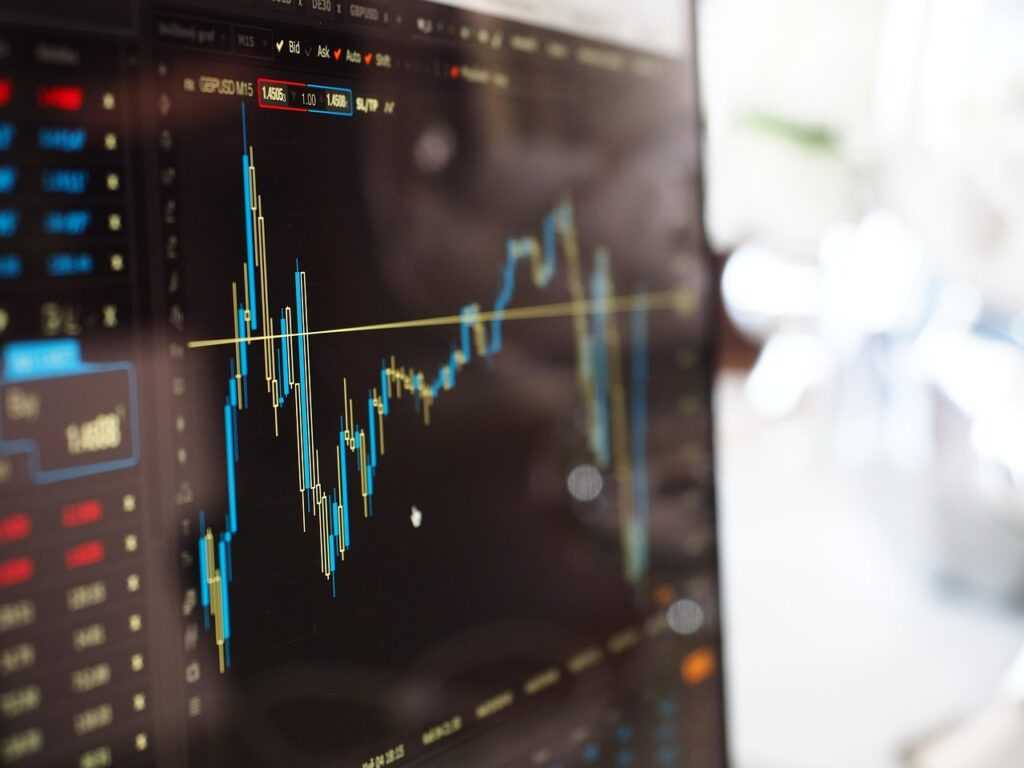
2026: The Year Digital Art Took Center Stage
The global art market didn’t just rebound in 2026 it surged. After a few turbulent years shaped by shifting economies and evolving buyer behavior, total art sales reached an all time high. But the biggest story isn’t just the money; it’s where that money went. For the first time, digital art captured a major share of the market with estimates landing between 38% and 42% of total global sales. That’s not a blip. That’s a shift.
Digital work, once treated like the experimental cousin of painting and sculpture, is now commanding serious attention. Whether it’s interactive animations, code based sculpture, or next gen digital photography, collectors are finally putting real capital behind the digital. And it’s not just individual buyers. Institutions museums, blue chip galleries, even old guard auction houses are funneling time, money, and wall space toward digital creators.
What’s driving all this? Clear provenance via blockchain, broader accessibility to global buyers, and a new generation of collectors who grew up fluent in screens instead of canvases. For many, digital art just feels native less about trend, more about evolution. In 2026, the message is clear: the art world is no longer resisting the digital tide. It’s riding it.
Driving Forces Behind the Digital Boom
In 2026, digital art has not only entered the mainstream it’s shaping the way people experience, purchase, and think about art. Several key forces are driving the rising dominance of digital works in the art market.
Hybrid Exhibitions: Blending Physical and Digital Worlds
Galleries and museums are adapting to the new reality by offering hybrid experiences that combine traditional viewing spaces with immersive digital presentations. This model increases accessibility while enhancing storytelling and interactivity.
Physical installations paired with digital displays
Virtual reality (VR) and augmented reality (AR) tours
Expanded reach to global audiences with limited in person access
Surge in First Time Digital Collectors
More people are collecting art for the first time than ever before, thanks to intuitive online platforms that remove traditional barriers to entry. These platforms simplify search, purchasing, and ownership authentication, opening doors for a new generation of buyers.
Easy to navigate online galleries and auction platforms
Lower price thresholds for entry into the art world
Younger, tech savvy buyers driving online traffic and sales
Blockchain Technology Adds Trust and Transparency
Blockchain continues to reshape the art economy by providing a foundation for secure, verifiable transactions. With smart contracts and provenance tracking, collectors can trust the legitimacy and ownership of digital pieces like never before.
Immutable provenance records increase buyer confidence
Smart contracts enable automatic royalty payments to artists
Reduced fraud and forgery risks with blockchain backed certifications
The Creator Economy Expands Beyond Influencers
While initially dominated by influencers, the creator economy in 2026 now includes a growing number of digital fine artists who are building sustainable careers online. These artists are leveraging digital tools to reach collectors directly, often bypassing institutional gatekeeping.
Direct to collector platforms supporting artist independence
New revenue models including subscriptions, editions, and licensing
Artists develop global audiences through content and community engagement
The digital art boom isn’t just a trend; it’s a structural shift in how art is created, valued, and distributed across the globe.
NFTs Reimagined
The NFT scene has cut through the noise and come out sharper in 2026. We’re seeing a clean break from the hype first, meme later tokens that once flooded the space. In their place: smarter, utility driven digital assets that serious collectors actually want to hold. These aren’t just JPEGs with a price tag they’re programmable, purpose built pieces often backed by smart contracts that do more than prove ownership.
Creators are focusing on limited series, on chain interactivity, and long term utility. Think dynamic artworks that evolve based on real world events or user behavior. Think token gated experiences, access to future drops, or embedded royalties that pay both creator and collector over time. Even the packaging has matured more refined storytelling, higher production values, real value propositions.
Major auction houses have taken note. Sotheby’s, Christie’s, and their peers are no longer just experimenting they’re building pipelines for digital inventory, complete with curation, authentication, and legacy level positioning. For collectors, that legitimacy is key. For artists, it’s an entrée into circles once locked tight.
The message is clear: NFTs aren’t dead. They’re just growing up.
Artist Autonomy and Global Reach
Artists no longer have to wait for gatekeepers to open doors. Digital tools have leveled the playing field, letting creators produce, promote, and sell their work on their own terms. Whether it’s a stylus and tablet or a generative algorithm, the gear is accessible and the platforms are welcoming.
Direct to collector sales are also shifting the income model. Instead of hoping for gallery representation or waiting months for commissions to clear, artists are building sustainable revenue by selling straight to fans often globally. It’s not just about making ends meet; it’s about owning the pipeline from concept to sale.
Digital art marketplaces play a key role in visibility. Sites that were once niche now have serious buyer traffic and curatorial backing. Whether it’s a clean JPEG, an interactive installation, or a smart contract backed asset, creators are getting their work seen and bought without needing to shoehorn themselves into old world art norms.
For more detail, check out this breakdown of how digital art marketplaces are changing the game.
Investment, Valuation, and the Digital Collector
Digital art isn’t just culturally relevant it’s now investment grade. What started as a niche interest has matured into a serious asset class. Collectors aren’t only chasing cool aesthetics anymore; they’re thinking long term upside. Institutions and seasoned investors are beginning to treat digital works the way they might view early photography or street art: high risk, but high potential.
That shift is changing how these works are valued. Audience size and engagement aren’t just vanity metrics anymore they’re key inputs in pricing models. Artists with interactive experiences, active communities, or coded mechanics built into the work are often commanding higher prices. Provenance still matters, but now so do click throughs, shares, and wallet activity.
There’s also a new breed of collector emerging analytical, data poised, and less concerned with big names than with market signals. These buyers are using platforms to track creator trends, resale activity, and token utility like a trader watches stocks. For digital artists, that means clarity, consistency, and data expressive creativity all feed market trust.
Art critics still debate the hype. But the numbers are starting to speak louder.
The Road Ahead
For artists looking to step into the digital space, 2026 is both welcoming and competitive. It’s not just about minting an NFT and hoping it sells it’s about understanding how to live and work in a rapidly maturing market. Creators need to think strategically: where to show work, how to connect with digital collectors, and how to protect their creative rights. The entry barrier may feel lower, but the expectations are higher. Your work needs purpose, presence, and a pulse that fits the pace of online culture.
Traditional institutions are paying attention. Major museums and galleries are learning from digital native artists about flexibility, speed, and building community. They’re adapting their curatorial practices, experimenting with smart contracts, and rethinking what authenticity means in a digital context. The old system of gatekeeping is bending, slowly, but noticeably.
Looking forward, the digital art world isn’t just becoming a corner of the art market it’s shaping the center. Expect more hybrid shows, decentralized curation, and cross disciplinary mashups that blur the limits of what art can be. The lines will keep shifting, and those who adapt with clarity, craft, and authenticity will lead the charge.
 Leonerico Vaughan, as both an author and collaborator in the development of Avant Garde Artistry Hub, brings a unique perspective to the platform. His contributions center around the intersection of art and technology, offering artists valuable insights into the latest creative tools and techniques. Leonerico’s passion for innovation shines through in his work, helping to keep the artistic community informed and empowered.
In addition to his writing, Leonerico has played a key role in shaping the platform’s resources, particularly those focused on helping artists build sustainable careers. His dedication to the success of Avant Garde Artistry Hub makes him a vital part of its mission to support and inspire modern artists.
Leonerico Vaughan, as both an author and collaborator in the development of Avant Garde Artistry Hub, brings a unique perspective to the platform. His contributions center around the intersection of art and technology, offering artists valuable insights into the latest creative tools and techniques. Leonerico’s passion for innovation shines through in his work, helping to keep the artistic community informed and empowered.
In addition to his writing, Leonerico has played a key role in shaping the platform’s resources, particularly those focused on helping artists build sustainable careers. His dedication to the success of Avant Garde Artistry Hub makes him a vital part of its mission to support and inspire modern artists.