
Why Blockchain Matters to Artists
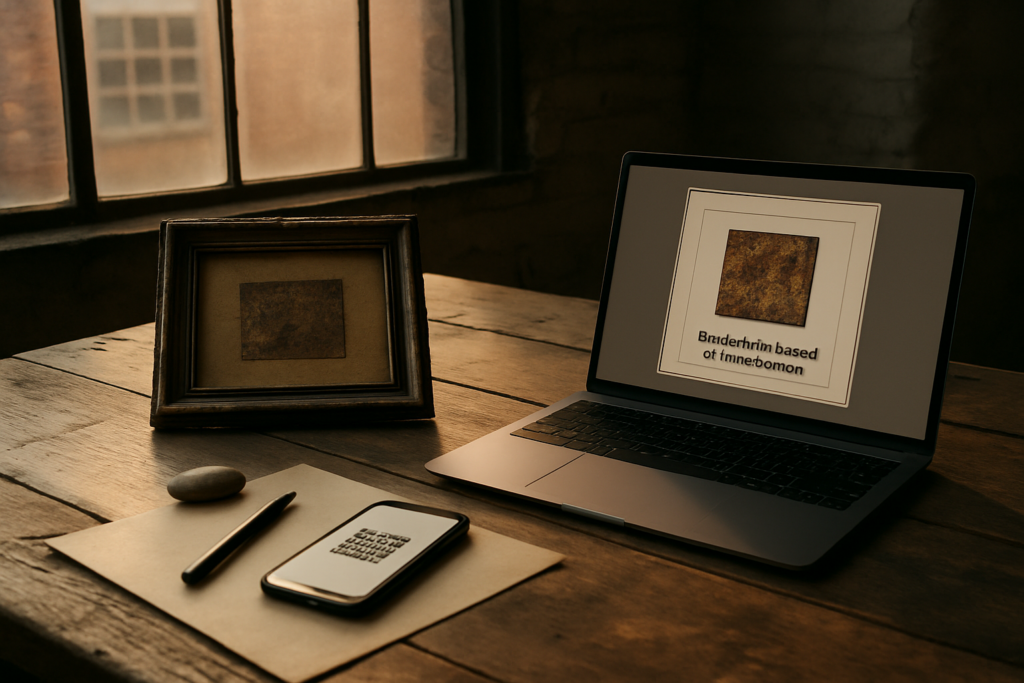
For years, digital artists have struggled to prove their work is original and theirs. Files get copied, reposted, and ripped off without consequence. Traditional systems just weren’t built to handle digital authorship. Blockchain fixes that. It creates a permanent, tamper proof record of when a work was created and by whom. Once something’s registered on the chain, that record sticks. It doesn’t matter if the file gets shared a thousand times you have the proof.
More than just receipts, smart contracts are flipping the power dynamic. Artists no longer have to jump through institutional hoops or rely on platforms for protection. A smart contract can handle licensing, automate royalty payments, and lock in terms from day one. It makes the artist both creator and controller no gallery gatekeeping, no legal gray zones. That’s creative freedom built on code.
Proof of Ownership, Simplified
To most people, owning a digital file meant downloading a copy hardly meaningful when that same file can be copied endlessly. Blockchain flips that. Now, owning a digital artwork means owning a verified, permanent record showing you hold the original. That record lives on a decentralized ledger, can’t be faked, and doesn’t need a gallery, label, or third party platform to validate it.
This new model brings clarity to provenance. You can trace when the piece was minted, who’s owned it, where it’s moved, and at what value. All without needing paper trails or taking someone’s word for it. For artists, it’s protection. For collectors, it’s peace of mind.
Then there’s resale transparency. If a digital artwork changes hands, the blockchain logs the transaction openly and accurately. That means collectors can track value in real time, and buyers aren’t flying blind. No hidden markups, no lost histories.
Perhaps most importantly, it’s trustless. Not in the sense of being sketchy but in the sense of not needing trust in intermediaries. The code verifies everything. Artists keep control. Buyers get proof. And the creative economy finally moves past gatekeepers.
For a deeper breakdown of the mechanics behind blockchain in art, check out this piece.
Creative Control Without Compromise
For years, artists have had to play by someone else’s rules labels, galleries, distributors. Blockchain throws that model out. Now, creators can write their own terms into smart contracts. That means deciding from the start how their work can be licensed, shared, or resold. No shady fine print. No middlemen rewriting the rules after the fact.
Royalties are another game changer. Artists can program them right into the token. So every time there’s a resale, they get paid automatically. It’s not charity. It’s structure. And it works. These royalty enforced models aren’t just a digital gimmick; they’re real, recurring income for artists who used to be cut out after the first sale.
NFTs aren’t just profile picture fads. Underneath the hype, they’re evolving into powerful vessels for creative ownership and distribution. Video, generative art, music projects whatever the form, the blockchain gives creators granular control over both format and flow.
Most important? Artists no longer need to go through expensive, gate kept systems to reach an audience. Blockchain makes it peer to peer. Collector buys it, artist profits. Simple. Clean. And finally, fair.
For more examples and insights, check out this deep dive on the blockchain role in art.
Looking Ahead
Big names in the art world galleries, auction houses, museums aren’t ignoring blockchain anymore. They’re studying it, testing it, and in some cases, slowly integrating it. It’s not just about staying relevant; it’s about not getting left behind. Traditional institutions are starting to see the writing on the wall: digital provenance and decentralized ownership are reshaping how art moves, is priced, and gets appreciated.
While the old guard plays catch up, new platforms are charging ahead. Sites built from the ground up with blockchain baked in are making it easier than ever for creators to mint, sell, and license their work. No gatekeepers. No paperwork. Just a wallet, a smart contract, and an audience willing to support what they love.
And here’s the thing blockchain isn’t some distant promise. It’s here and it’s real. Artists are already using it to get paid fairly, claim authorship, and stay in control. The shift is happening whether or not the industry is ready. Those who lean in now won’t just adapt. They’ll lead.
 Donemic Grantnurry, founder of the Avant Garde Artistry Hub, is a visionary at the intersection of art and technology. With a deep passion for innovation, Donemic has created a platform that not only informs artists about the latest tools and trends but also empowers them to transform their creative processes. His dedication to exploring the therapeutic potential of art has positioned Avant Garde Artistry Hub as a key resource for artists seeking to improve both their craft and well-being.
Beyond his work in art technology, Donemic is committed to helping artists build sustainable careers. Through insightful articles on marketing, business strategies, and art competitions, he provides emerging talents with the guidance they need to succeed in the competitive world of art. His work continues to inspire and support a global community of creatives who are passionate about blending art with modern technology.
Donemic Grantnurry, founder of the Avant Garde Artistry Hub, is a visionary at the intersection of art and technology. With a deep passion for innovation, Donemic has created a platform that not only informs artists about the latest tools and trends but also empowers them to transform their creative processes. His dedication to exploring the therapeutic potential of art has positioned Avant Garde Artistry Hub as a key resource for artists seeking to improve both their craft and well-being.
Beyond his work in art technology, Donemic is committed to helping artists build sustainable careers. Through insightful articles on marketing, business strategies, and art competitions, he provides emerging talents with the guidance they need to succeed in the competitive world of art. His work continues to inspire and support a global community of creatives who are passionate about blending art with modern technology.