
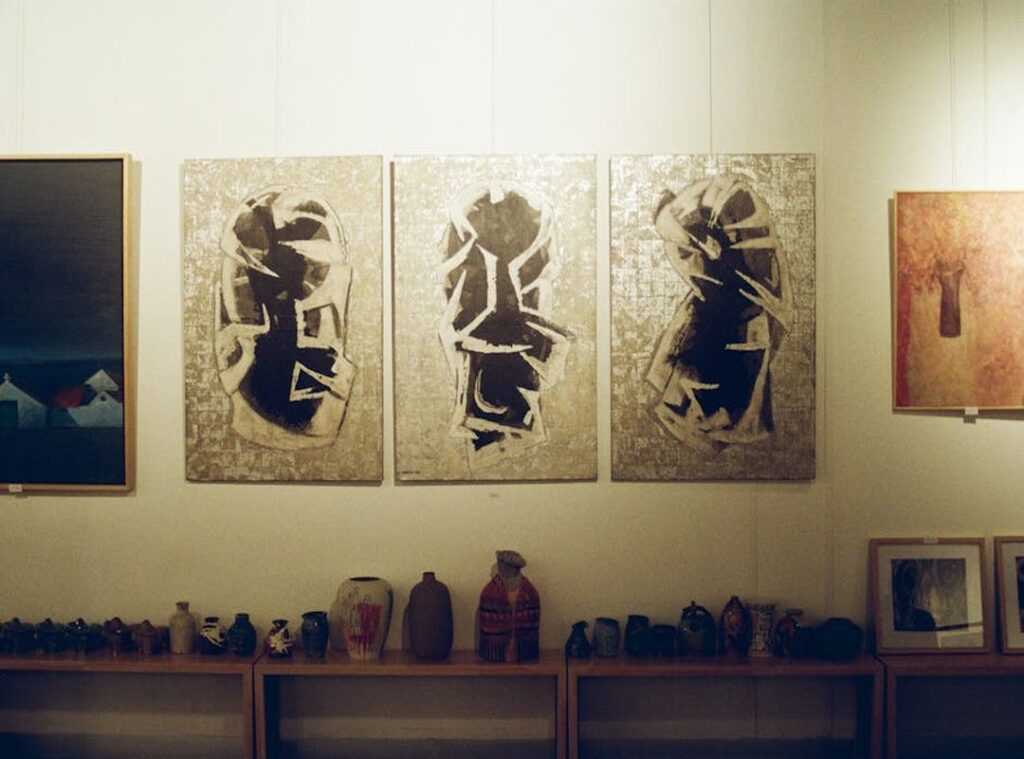
You’re scrolling again.
And you’re tired of it.
Artists scroll hoping to sell. Collectors scroll hoping to find something real. Both end up lost in the same mess.
Too many platforms. Too much noise. Too little clarity.
I’ve tested dozens of art marketplaces. Spent months comparing fees, tools, audience quality, and actual sales data. Not just screenshots.
Real usage.
Art Arcahexchibto is one of them (and) it’s worth your attention if you care about visibility, not vanity metrics.
This isn’t another vague list of “top 10” sites. No fluff. No hype.
You’ll get a clear system. One you can use today to decide which platform fits your goals. Not someone else’s template.
No more guessing. No more wasted time. Just a direct path to the right place.
What Is an Art Marketplace? (Not a Gallery)
An art marketplace is a website where artists list work and buyers purchase it (no) middleman, no velvet rope.
It’s not a gallery. Galleries curate. They gatekeep.
They take 40. 60% off the top. And they decide who gets seen.
I’ve watched artists wait years for a gallery slot. Meanwhile, their Instagram DMs are full of people asking to buy.
Arcahexchibto is one of those marketplaces. But with teeth. It doesn’t pretend to be neutral.
It picks sides. (Guess which side.)
Art Arcahexchibto is the name some people use when they mean that specific platform (not) the category. Don’t mix them up.
Galleries need foot traffic. Marketplaces need Wi-Fi.
Artists get direct access to buyers worldwide. No geography check. No resume review.
That changes everything.
Just upload, price, and go.
They control the story too. Not the curator’s version. Yours.
Commission? Usually under 15%. Sometimes less.
You keep the rest.
Collectors get more than just inventory. They get search filters. Price history.
Artist bios written in first person (not) third-person press release speak.
You see emerging talent before the gallery notices them. Before the auction house calls.
Think of it like Etsy. If Etsy only sold art and banned watercolor prints of coffee mugs.
Or Amazon. If Amazon hired real curators to vet every listing.
Does that sound better than waiting for a gallery call? Yeah. Me too.
Most galleries still don’t take unsolicited submissions.
Most marketplaces do.
That’s the edge.
That’s the difference.
Curated vs. Open: Which Marketplace Fits You?
I’ve watched artists waste months applying to the wrong kind of platform.
There are two real options (not) three, not five. Just two.
Curated marketplaces vet every artist. They say no more than yes. It’s like getting into a gallery: you submit work, they review it, and if it doesn’t match their aesthetic or standards, you’re out.
Think Saatchi Art or Uprise Art. You’ll see fewer artists, but higher average quality. And yes (it) feels like walking into a white-walled space with good lighting (and slightly judgmental staff).
Open marketplaces? Anyone can list. No gatekeepers.
That means thousands of artists, fast uploads, and zero waiting for approval. Etsy and Redbubble are obvious examples. You’ll find everything from hand-painted ceramics to AI-generated cat posters.
Discoverability is high (but) so is noise.
Here’s how they actually compare:
| Feature | Curated | Open |
|---|---|---|
| Application Process | Manual review, weeks-long wait | Instant upload, no review |
| Level of Competition | Low volume, high selectivity | High volume, low friction |
| Prestige/Brand Association | Strong. Buyers trust the filter | Weak (you) build your own credibility |
| Typical Commission Rates | 30. 50% | 15. 35% |
A curated platform is for you if you want validation before visibility. If you’d rather spend time refining ten pieces than uploading fifty.
An open platform is a better fit when you need sales now, not someday. When you’re okay being one voice in a crowded room. As long as the room has buyers.
I’m not sure which path leads to more long-term sales. Data is thin. But I am sure that picking based on ego.
Not goals. Screws up most artists’ first year.
Art Arcahexchibto isn’t either of these. It’s something else entirely. (More on that later.)
Art Marketplace Checklist: 5 Things That Actually Matter
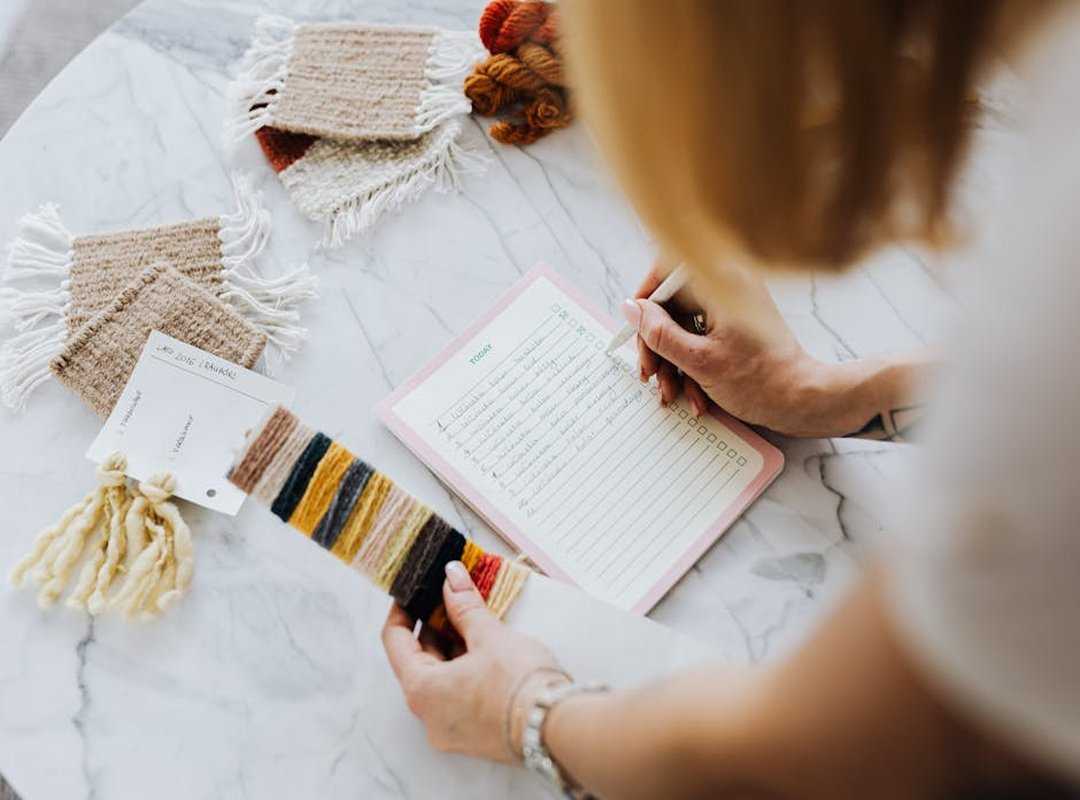
I’ve watched artists lose sales. Not because their work wasn’t good. But because the platform buried it.
Or charged them twice. Or made returns impossible.
So here’s what I check before I list anything.
Transparent fee structure is non-negotiable. Not “we take 15%”. That’s meaningless without context.
Does that include payment processing? Are there separate listing fees? Do you pay just to stay on the site?
I avoid any platform where I have to dig three layers deep to find the real cost.
Artist tools need to work, not just look slick. A clean portfolio page matters. So does real-time sales data (not) a dashboard that updates once a week.
And yes, I need a way to message buyers without exposing my personal email. (Spoiler: most don’t offer this.)
Discovery isn’t magic. It’s filters, tags, and human curation (not) just an algorithm guessing what you’ll like. If your art shows up only when someone types your name, you’re already losing.
Logistics? Don’t trust vague promises. Who packs the work?
Who pays for insurance? Is there a return window. And is it enforceable?
I’ve seen platforms say “30-day returns” but bury a clause saying “only if the canvas hasn’t been unrolled.” Ridiculous.
Community and support aren’t fluff. When your shipment gets lost, you need help. fast. Not a bot reply.
Not a FAQ that avoids the question. Look for active forums and live chat. Not just “contact us” with a 48-hour response time.
The Arcahexchibto platform nails most of this. Not all. No platform does.
But it’s rare to see one that handles fees, discovery, and shipping clarity in the same breath.
Art Arcahexchibto is the only place I’ve seen artists actually recommend to each other.
If your marketplace doesn’t let you answer all five of these clearly (you’re) not saving time. You’re borrowing trouble.
Art Sales: Where People Screw Up (and How Not To)
I’ve watched too many artists lose sales over bad photos. Blurry shots. Wrong lighting.
Cropped weird. If your work looks amateur, people assume the art is amateur.
Vague descriptions? Same problem. “This piece explores emotion” (no.) Tell me what it is. Size.
Medium. Year. Why you made it.
Sellers also ignore the platform’s vibe. A hyper-minimalist site won’t love maximalist chaos. Match your tone to the crowd.
Buyers mess up too. You skip dimensions and get a 48-inch canvas in a studio meant for 24-inch prints. Shipping costs sneak up like rent day.
And skipping artist research? That’s how you pay $2,000 for something from a first-timer who quit after one show.
Art Arcahexchibto isn’t just another feed. It’s where niche meets vetted.
Check the Art Directory Arcahexchibto before you list or click “buy”.
Pick One. Try It.
You’re tired of scrolling through art platforms that don’t fit.
You want to sell. Or buy. Without wasting time on the wrong place.
Art Arcahexchibto works if your goal is real visibility and fair terms. Not hype. Not gatekeeping.
Just clear access.
Most artists stall here. They compare endlessly. Wait for “perfect.” I did too.
So stop comparing. Start testing.
Grab the 5-point checklist from this guide.
Use it. This week. On one platform you’ve been circling.
No more paralysis. No more second-guessing.
You already know what you need. Now act on it.
Your art isn’t waiting. Neither should you.
Go pick that platform. Run the checklist. Decide.
Then tell me how it went.
 Anna Freehill, a key contributor to Avant Garde Artistry Hub, plays a vital role in shaping the platform’s vision. As an author and collaborator, she helps bridge the worlds of art and technology, offering insightful articles that guide artists through the rapidly evolving creative landscape. Anna’s dedication to highlighting art's therapeutic value has contributed to the platform’s focus on mental and emotional well-being through creative expression.
Her involvement in building Avant Garde Artistry Hub has been instrumental in providing valuable resources to artists seeking to enhance their careers. Whether through her writing on business strategies or her support in platform development, Anna is committed to fostering a space where artists can thrive and embrace the future of art.
Anna Freehill, a key contributor to Avant Garde Artistry Hub, plays a vital role in shaping the platform’s vision. As an author and collaborator, she helps bridge the worlds of art and technology, offering insightful articles that guide artists through the rapidly evolving creative landscape. Anna’s dedication to highlighting art's therapeutic value has contributed to the platform’s focus on mental and emotional well-being through creative expression.
Her involvement in building Avant Garde Artistry Hub has been instrumental in providing valuable resources to artists seeking to enhance their careers. Whether through her writing on business strategies or her support in platform development, Anna is committed to fostering a space where artists can thrive and embrace the future of art.