
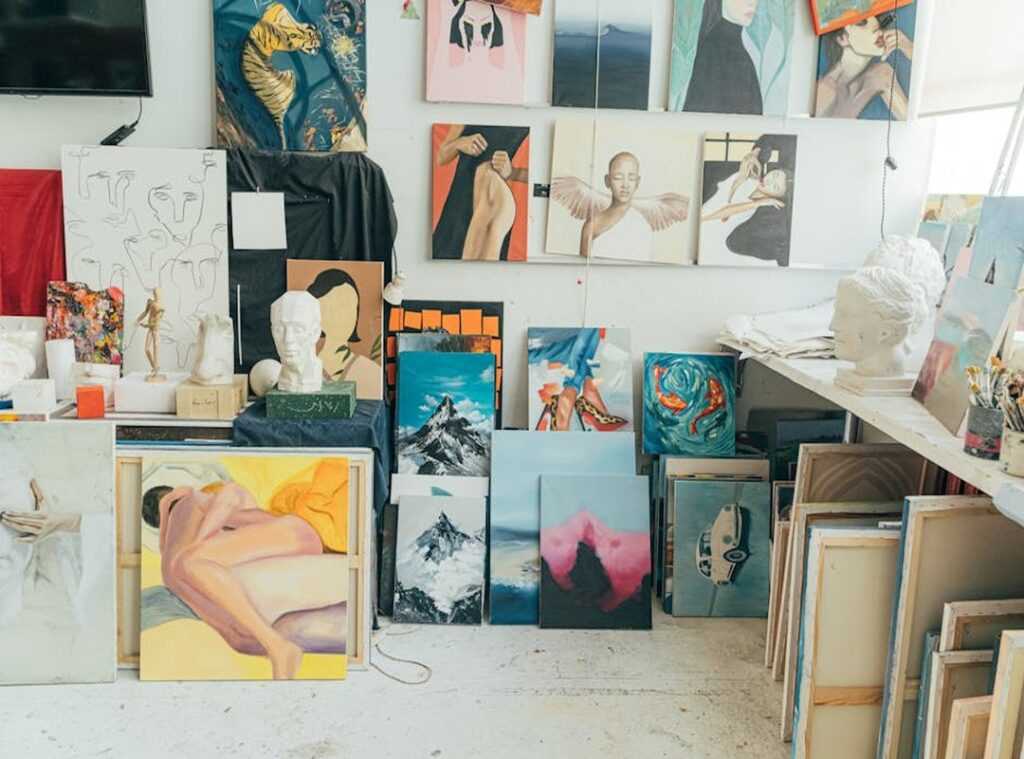
You’ve stood outside a gallery before.
Felt that hesitation. Like it’s not for you. Like you need a degree or a certain kind of shoes to walk in.
I’ve watched people do it for thirty years. Not just glance at the door. But pause, second-guess, turn away.
This isn’t about art history quizzes or price tags that make you sweat.
It’s about walking into a sunlit room where paint smells like possibility and walls hold stories (not) statements.
Artistic Creations Gallery doesn’t wait for you to prove yourself.
It opens the door. Offers a seat. Lets you look without judgment.
I’ve seen how this place works. Not as a business. As a pulse point.
For artists who need space, collectors who want honesty, and visitors who just want to feel something real.
Most galleries act like temples. This one acts like a living room.
You don’t need permission here. You just need curiosity.
That’s why this article exists.
Not to list every show or artist (though we’ll name a few). But to show you how access actually happens. Day after day, person after person.
How texture meets trust. How color invites conversation. How narrative starts with a single glance.
If you’ve ever thought galleries were closed off. You’re right about some of them.
But not this one.
Articles Art Artypaintgall pulls back the curtain on how it really works.
Artypaintgall Isn’t a Gallery (It’s) a Living Room
I walked into Artypaintgall and didn’t see white walls or velvet ropes. I saw couches. A chalkboard wall with kids’ drawings taped to it.
A shelf of mugs made by seniors from the neighborhood center.
That’s the first difference: no commission-based pressure.
Traditional galleries take 40 (60%) off every sale. That changes everything. Artists start editing their work before they even hang it.
They ask “Will this sell?” instead of “What do I need to say?”
Artypaintgall doesn’t take a cut. Ever. So the focus stays on the story (not) the sticker price.
You’ll find the ‘Community Spotlight’ wall right by the front door. It’s uncurated. No jury.
No résumés. Just space for teens, elders, and first-timers to pin up whatever they made that week.
Last year, a textile artist hung her pandemic quilt series there. Hand-stitched faces, frayed edges, fabric dyed with backyard plants. A local library saw it.
Then a high school art teacher. Then three craft co-ops. That quilt series sparked a citywide craft revival.
It’s not “alternative.” It’s intentional. Every design choice. From floor height to lighting to seating (is) rooted in equity and accessibility.
You don’t need an MFA to walk in. You don’t need a budget to contribute.
Artypaintgall proves you can run a serious art space without gatekeeping.
Articles Art Artypaintgall? Yeah (that’s) where the real conversations happen.
Not in hushed tones. In shared laughter. Over bad coffee and better ideas.
How Artists Apply. And What Happens After
I’ve sat on that peer-review panel. I’ve also been the artist waiting for the email. It’s tense.
But it’s not a black box.
The process has four clear stages: open call → peer-review panel → studio visit (optional) → collaborative exhibition planning.
You apply. Then real artists. No gatekeepers, no curators with agendas.
Read your work. They talk about it. They argue.
They decide together.
That studio visit? Only if they’re already leaning yes. It’s not a test.
It’s a conversation.
Even if you don’t get selected, you get feedback. Not boilerplate. Not “great work!” No.
Specific notes. Things like “Your color transitions lose clarity at 8 feet” or “Try reversing the order of panels 3 and 5.” That’s standard. Always.
And if you are selected? You get free professional photography. Bilingual wall text (no) Google Translate nonsense.
And opening events built with you, not for you.
Average time from application to exhibition? Eight to twelve weeks. Acceptance rate hovers around 32%.
Post-show retention is high. Most artists return for group shows or mentor others.
No fees. Ever. Not for application.
Not for framing. Not for printing. Funding comes from grants and memberships.
Not your wallet.
That’s rare. Don’t ignore it.
You’ll see this process covered in depth elsewhere. Like in Articles Art Artypaintgall. But nowhere else do they tell you how often the panel changes their mind after the studio visit.
I’ve seen it happen twice in one week.
Why Visitors Return: Lighting, Touch, Quiet
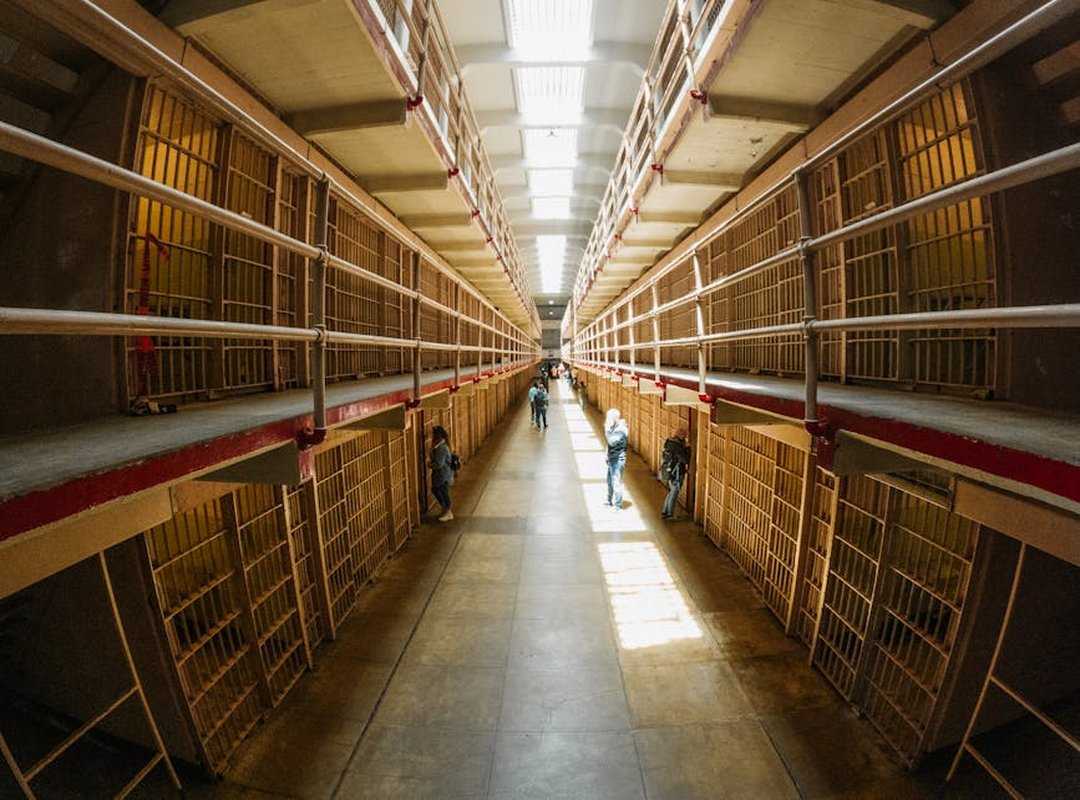
I walk into galleries and feel tired before I even look at the art.
You do too.
Most galleries are sensory deserts. No seats. Walls of text.
Harsh lighting that makes your eyes ache. That’s why people leave in ten minutes.
Not here.
We use adjustable lighting zones. So you control brightness near each piece. Too bright?
Dim it. Too dim? Brighten up.
(Yes, it’s that simple.)
Tactile material samples sit beside select works. You can run your fingers over canvas texture, metal patina, woven fiber. Art isn’t just for looking.
I wrote more about this in Art Listings.
It’s for feeling.
Quiet reflection nooks have headphones with artist audio diaries. Not voiceovers. Not scripts.
Real voices, real pauses, real laughter. One visitor told me she cried listening to a ceramicist describe her first cracked vase.
Multilingual QR codes link to interviews. Not translated labels. In ASL, Spanish, and simplified English.
No gatekeeping language. Just direct access.
The ‘Try This’ corner changes monthly. Watercolor cards. Clay slabs.
Stencil sets. All tied to what’s on the walls right now. No skill needed.
Just curiosity.
I go into much more detail on this in Art Directory.
78% of first-time guests said they felt personally invited to engage (not) just observe. That’s not luck. That’s design.
Typical fatigue triggers? Gone. Seating exists.
Text is short. Sensory variety is built in.
If you want to see how this plays out across real exhibitions, check the Art Listings Artypaintgall.
Articles Art Artypaintgall don’t just list shows. They show intent.
Belonging isn’t vague. It’s adjustable. It’s touchable.
It’s quiet.
Beyond the Walls: Where Art Meets the Actual World
I don’t care how many people walk through a gallery door. I care who doesn’t. And why.
That’s why we partner with public schools, senior centers, and rehab clinics. Not for PR shots. We co-write curriculum.
We pay outreach stipends. Because if art stays inside glass boxes, it’s just decoration.
The ‘Gallery Without Walls’ project? We hang paintings in laundromats. Install soundscapes at bus shelters.
Project murals onto food bank walls. You ever tried explaining abstract expressionism to someone waiting for a spin cycle? It works.
We give micro-grants. $500 to $2,500 (quarterly.) No essays. No jargon. Just a form and your idea.
Sixty-four percent of past recipients landed bigger foundation money within 18 months. That’s not luck. That’s use.
It’s relationships. Real ones.
Impact isn’t square footage. It’s the teacher who texts me her student’s first sculpture photo. It’s the veteran who paints every Tuesday now.
You’ll find more on how this connects across neighborhoods in Articles Art Artypaintgall. Read more in this guide.
Your Voice Belongs Here
I built Articles Art Artypaintgall for people who’ve been told their art isn’t “ready” yet.
Who’ve hit gatekeepers, fees, or confusing forms. And walked away.
It’s not about prestige.
It’s about showing up with your work and being met with real support. Not paperwork.
Artist-first means we answer your questions fast. Visitor-centered means your pieces land clearly, without noise. Hyperlocal means your neighborhood sees you. now, not someday.
You’re tired of waiting for permission.
So skip the line.
Go to the ‘First Light’ exhibition next Friday at the Oak Street Loft. Or grab a free spot in ‘Meet the Maker’. No application, no catch.
Or submit your work today through the no-fee portal.
We’re the only gallery in town with zero submission fees and a 48-hour response promise.
Your voice, your vision, your place. Already reserved.
 Anna Freehill, a key contributor to Avant Garde Artistry Hub, plays a vital role in shaping the platform’s vision. As an author and collaborator, she helps bridge the worlds of art and technology, offering insightful articles that guide artists through the rapidly evolving creative landscape. Anna’s dedication to highlighting art's therapeutic value has contributed to the platform’s focus on mental and emotional well-being through creative expression.
Her involvement in building Avant Garde Artistry Hub has been instrumental in providing valuable resources to artists seeking to enhance their careers. Whether through her writing on business strategies or her support in platform development, Anna is committed to fostering a space where artists can thrive and embrace the future of art.
Anna Freehill, a key contributor to Avant Garde Artistry Hub, plays a vital role in shaping the platform’s vision. As an author and collaborator, she helps bridge the worlds of art and technology, offering insightful articles that guide artists through the rapidly evolving creative landscape. Anna’s dedication to highlighting art's therapeutic value has contributed to the platform’s focus on mental and emotional well-being through creative expression.
Her involvement in building Avant Garde Artistry Hub has been instrumental in providing valuable resources to artists seeking to enhance their careers. Whether through her writing on business strategies or her support in platform development, Anna is committed to fostering a space where artists can thrive and embrace the future of art.