
You stood in front of that mirrored room at the Biennale and felt nothing.
Just confusion. Maybe a little guilt. Like you should get it.
But you don’t.
I’ve been there too. More times than I’ll admit.
Last month, that $100 million Basquiat auction made headlines (and) zero sense to most people scrolling past it.
That’s not your fault. It’s the art world’s problem.
I spend months each year in galleries from Lagos to Lisbon. Not just looking. Talking to artists mid-studio.
Sitting with curators after opening night. Watching how real people react (not) what press releases say.
This isn’t theory. It’s observation. It’s repetition.
It’s boredom turned into clarity.
New Fine Art Articles Artypaintgall pulls from that work. No gatekeeping. No jargon.
Just four ways in: context, intention, material language, cultural resonance.
You’ll learn how to spot the difference between shock and substance.
How to read an artist’s choices. Not just their statement.
Why some pieces stick with you and others vanish by lunchtime.
No fluff. No filler. Just tools you can use tonight.
You’ll walk into the next show and actually see something new.
Why Context Changes Everything (Beyond) the Gallery Wall
I used to hang art like wallpaper. Pretty. Quiet.
Safe.
Then I saw a bronze bust in Berlin. Made in 1932, cast from scrap metal during rent strikes. Suddenly it wasn’t decorative.
It was furious.
Context isn’t flavor text. It’s the ground your feet stand on.
Artypaintgall publishes New Fine Art Articles Artypaintgall, and most of them assume you already know the rules. They don’t.
Take Guernica. Strip away the bombing, the exile, the Franco regime (and) it’s just a loud, tangled painting. Put it back in 1937 Madrid?
It’s a scream you feel in your molars.
Now compare a neon sculpture installed at Art Basel Miami Beach in 2023. Glowing. Expensive.
Instagrammed. Same object, made in 2008 during Detroit’s foreclosure crisis? It’s a tombstone.
Background facts are dates and places. Meaningful context is who got silenced, who paid for it, who showed up to protest. And who didn’t show up at all.
You think you’re looking at art. You’re really looking at power.
Ask yourself three things before you speak, post, or buy:
- Who funded this. And what did they want? 2.
What happened right before this was made? 3. Whose voice is missing from the room where it’s shown?
Treating context as optional is like tasting soup without salt (and) calling it “authentic.”
It’s not extra. It’s everything.
Skip it, and you’re not viewing art.
You’re performing ignorance.
How Artists Signal Intent (Before) You Read a Word
I ignore press releases until after I’ve looked at the work. They’re often useless. Sometimes worse.
Scale tells you something. Repetition tells you more. Silence?
That’s loud. Awkwardness isn’t accidental. It’s assigned.
Take that 2023 sculpture at Artypaintgall: melted plastic poured over rusted rebar, suspended mid-air. Not cast. Not polished.
Just dripped, cooled, left jagged. That’s not just material choice. That’s refusal.
Refusal to smooth over toxicity. Refusal to pretend plastic is neutral.
Hand-stitched linen does the opposite. It slows you down. Makes labor visible.
Makes care visible. Same subject—waste (different) moral posture.
Some say intent doesn’t matter. That’s lazy. Intent shapes how we hold the work.
And how we hold ourselves while looking.
You can read more about this in Famous Art Articles.
Surveillance shown with irony? You get to laugh and walk away. Shown as dry documentation?
You file it under “systems.”
Shown as embodied vulnerability. Like a trembling hand holding a cracked phone screen? You feel complicit.
That shift isn’t subtle. It’s deliberate.
Watch for this phrase in artist statements: “I’m interested in exploring…”
It’s rarely about exploration. It’s usually about dodging accountability.
New Fine Art Articles Artypaintgall has a few pieces right now that test this exact line. Go look. Then ask: What did the artist do (not) what did they say?
You already know the answer.
You just forgot you knew it.
What Materials Actually Say. Not What Artists Claim
I stopped believing artists’ statements about their materials years ago.
They’ll tell you it’s about process. Or tradition. Or innovation.
It’s rarely any of those things. It’s about control. Or the lack of it.
Bio-resins aren’t just “eco-friendly.” They’re slow, unpredictable, and demand patience in a world that punishes delay. Reclaimed electronics? That’s not nostalgia.
It’s a physical archive of obsolescence (and) who gets discarded first.
Oil on canvas used to mean power. Now it’s often irony. A painter slapping thick pigment onto linen while their Instagram feed glitches?
That’s not decoration. That’s tension made visible.
Surface texture is syntax. Weight is argument. Decay isn’t poetic (it’s) evidence.
You feel it before you read the wall text.
Glitch isn’t cute. It’s system failure made tactile. Transparency isn’t clarity.
It’s surveillance made literal. (Yes, really.)
I’ve seen too many shows where poverty is framed as “raw texture.” That’s lazy. That’s dangerous. Tone matters more than material choice.
Want real examples? This guide breaks down how four recurring metaphors land in actual galleries. Not theory class. read more
New Fine Art Articles Artypaintgall don’t help if you’re not reading the surface like a sentence.
Are you looking at the material. Or just its shadow?
Most people miss the weight. Literally. Hold a sculpture made from server racks.
Then hold one made from beeswax.
The difference isn’t aesthetic. It’s political.
And if your gut tightens. That’s the point.
Cultural Resonance. Why Some Art Sticks and Most Don’t
I used to think virality meant resonance.
Turns out it’s the opposite.
Cultural resonance isn’t likes or shares. It’s when people keep using a piece (teaching) it in classrooms, quoting it in policy hearings, remixing it without permission. It’s sustained dialogue, not first-week buzz.
I saw a digital mural go mega on Instagram last year. Then vanished by month two. Zero citations.
Zero classroom use. Just pretty pixels.
Contrast that with Parable of the Sower. Published in ’93. Gained traction slowly.
In film adaptations, climate justice trainings, prison literacy programs. It grew across time instead of burning out.
Resonance reveals whether a work holds space for complexity. Or just slaps a slogan on it. Does it ask questions it refuses to answer?
Good. Does it hand you a tidy conclusion? Probably forgettable.
Try the Three-Month Test:
If you’re still thinking about a piece three months later (what) specific question or discomfort does it sustain?
Track your own reactions.
Not just “I liked it.” But “What did it make me doubt?”
“What did it make me re-read?”
You’ll start spotting real resonance faster than any algorithm.
New Fine Art Articles Artypaintgall landed on my desk last week. I circled three pieces that passed the test.
Check them out at Artypaintgall Art Gallery From Arcyart.
You’re Already Looking Closer
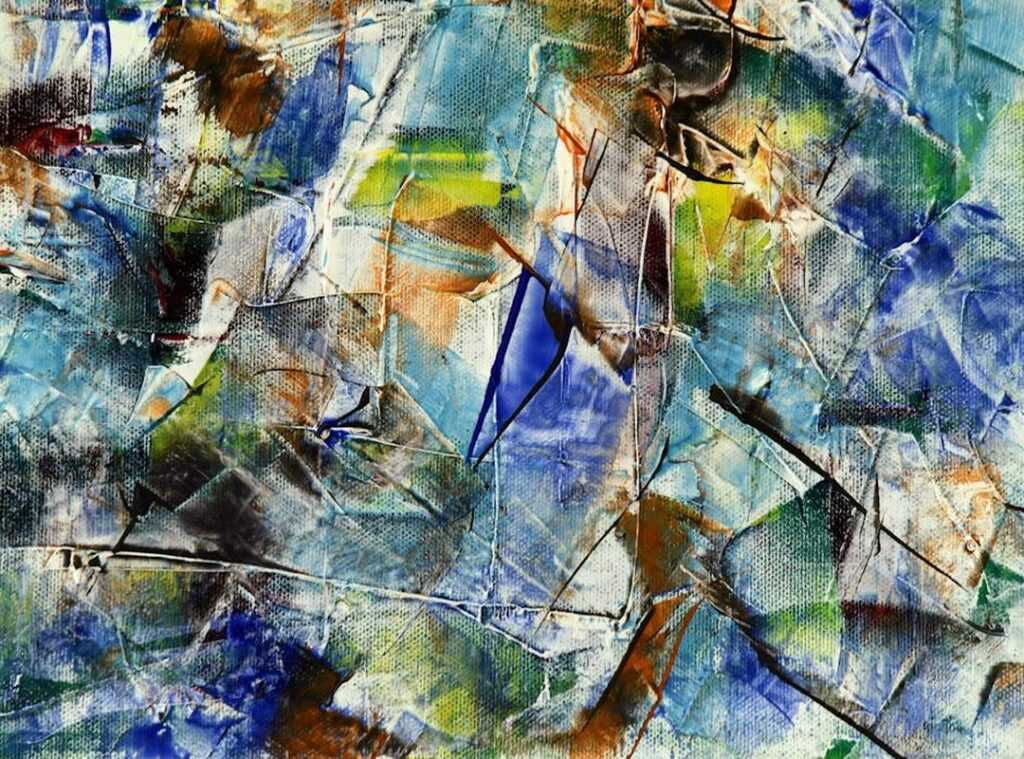
I used to stand in front of a big abstract painting and feel stupid.
Like the art was judging me.
It’s not you. It’s the silence between what you see and what you’re told to think.
These four lenses aren’t about knowing more.
They’re about trusting your own eyes first.
You don’t need mastery. Just one lens next time. Try it on New Fine Art Articles Artypaintgall.
Pick one artwork from their latest feature. Before reading anything, ask: What’s the context? What’s the material?
That’s it. Two questions. No jargon.
No pressure.
Most people skip this step. And stay confused.
You won’t.
Art doesn’t need decoding (it) needs your attention, sharpened.
 Anna Freehill, a key contributor to Avant Garde Artistry Hub, plays a vital role in shaping the platform’s vision. As an author and collaborator, she helps bridge the worlds of art and technology, offering insightful articles that guide artists through the rapidly evolving creative landscape. Anna’s dedication to highlighting art's therapeutic value has contributed to the platform’s focus on mental and emotional well-being through creative expression.
Her involvement in building Avant Garde Artistry Hub has been instrumental in providing valuable resources to artists seeking to enhance their careers. Whether through her writing on business strategies or her support in platform development, Anna is committed to fostering a space where artists can thrive and embrace the future of art.
Anna Freehill, a key contributor to Avant Garde Artistry Hub, plays a vital role in shaping the platform’s vision. As an author and collaborator, she helps bridge the worlds of art and technology, offering insightful articles that guide artists through the rapidly evolving creative landscape. Anna’s dedication to highlighting art's therapeutic value has contributed to the platform’s focus on mental and emotional well-being through creative expression.
Her involvement in building Avant Garde Artistry Hub has been instrumental in providing valuable resources to artists seeking to enhance their careers. Whether through her writing on business strategies or her support in platform development, Anna is committed to fostering a space where artists can thrive and embrace the future of art.