
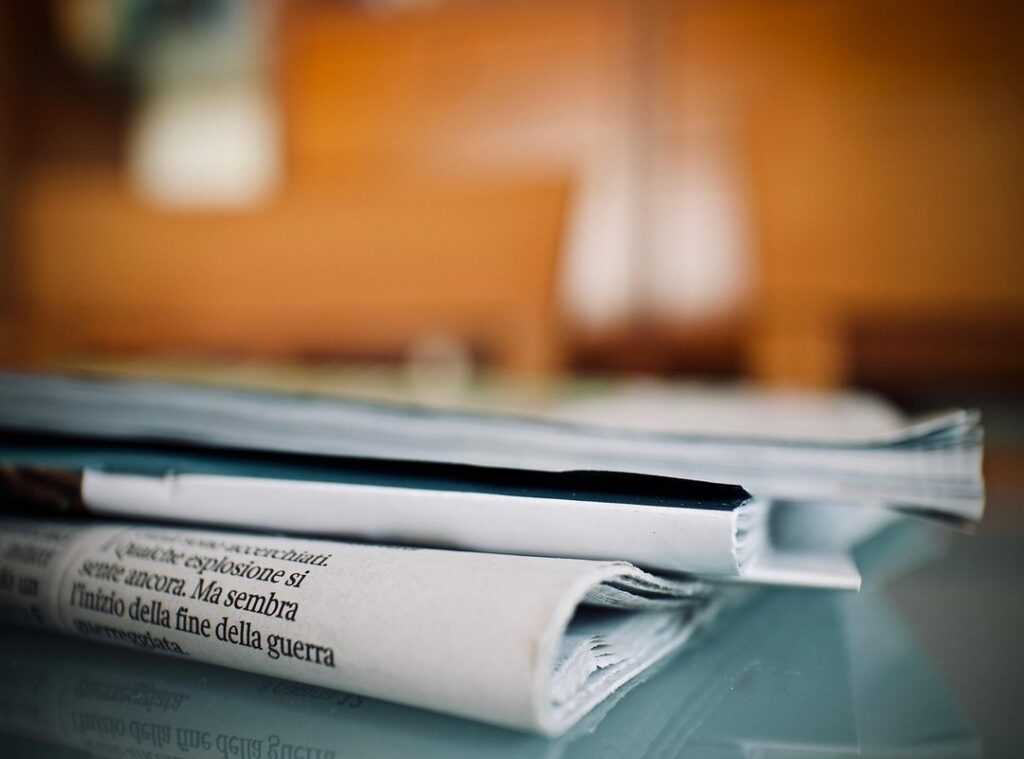
You scroll past another art newsletter. Another press release. Another “must-read” list that feels like noise.
I’ve been there. Staring at my inbox, wondering which of these actually moves the needle.
Most lists don’t help. They’re recycled. Outdated.
Written by people who haven’t opened a physical catalog in five years.
I read every major art publication. Every week. Not for fun.
To see what’s actually shaping careers and shifting prices.
Which ones do collectors cite in private calls?
Which ones do galleries slowly submit to first?
That’s why this isn’t just another list.
It’s a tight, no-bullshit guide to the Famous Art Articles Artypaintgall. The few that matter.
You’ll know exactly where to look. And why.
What Makes a Publication Actually Renowned?
I don’t trust a “top art list” that counts Instagram followers. Or one that treats a viral tweet like a Pulitzer.
Artypaintgall made my cut. Not because it’s trendy. Because it meets real standards.
Legacy matters. Decades of consistent output (not) just surviving, but shaping discourse.
Key acclaim matters. Not just nice reviews. Writing that holds artists and institutions to account.
Artist impact matters. Did they break Basquiat? Raise Julie Mehretu before the museums caught on?
That’s measurable influence.
Global reach matters. Not just translation apps. Real bureaus.
Real readers in Lagos, Seoul, Buenos Aires.
Social media clout fades. Clickbait dies by lunchtime. These four things?
I’ve seen publications with 2 million followers publish zero original criticism in six months.
They last.
That’s noise. Not renown.
Renowned means you’re cited in footnotes. Not just shared in Stories.
The list that follows isn’t curated by an algorithm. It’s built on this.
Famous Art Articles Artypaintgall is one of them.
The Titans of the Trade: Art Magazines That Still Matter
Artforum is the one I reach for when I need rigor. Not fluff. Not hype.
Just sharp writing on what’s actually happening in studios and biennales.
It launched in 1962. Started as a newsletter for artists in New York. Now it’s the bold standard for contemporary art criticism.
Read it if you care about ideas over Instagram likes. Academics use it. Curators cite it.
Artists who want to be taken seriously read it cover to cover.
Frieze feels like its cooler, slightly louder cousin. British roots. Global reach.
More interviews. More attitude.
I love how they handle emerging artists. No gatekeeping, just clear-eyed attention.
You’ll see names like Lynne Cooke or David Joselit pop up. But also younger voices you haven’t heard of yet. And will.
It’s important for gallery-represented artists. And for anyone tired of reading art news that sounds like press releases.
Art in America is the quiet veteran. Founded in 1913. It’s seen wars, movements, market crashes.
Still prints. Still ships. Still covers regional scenes most glossies ignore.
I flip to their “Critics’ Picks” section first. Real people, real galleries, real cities. Not just Chelsea and Berlin.
Who needs it? Mid-career artists. Museum educators.
Anyone who wants context, not just headlines.
These three aren’t just magazines. They’re filters. They help you decide what’s noise and what’s signal.
I wrote more about this in Art famous articles artypaintgall.
And if you’re hunting for deep cuts or long-form analysis, don’t skip the archives. Especially the Famous Art Articles Artypaintgall index some libraries still maintain (yes, it’s real).
Pro tip: Subscribe to the print edition. Digital is fine for quick scans. But the physical copy forces you to slow down.
To reread. To underline.
You’ll notice things you’d scroll past online.
That’s why these still matter. Not because they’re old. But because they’re stubbornly, deliberately useful.
The Digital Vanguard: Where Art Talks Happen Online
I read art writing online. Not in glossy magazines left on coffee tables. On screens.
At 2 a.m. With coffee. Or while waiting for the subway.
Hyperallergic moves fast. They publish daily. Sometimes twice a day.
Their writers call out bad museum decisions before the press release even lands. It’s sharp. It’s urgent.
And it’s written for people who care about labor, race, and power (not) just brushstrokes.
Artsy Editorial is different. They’re not chasing breaking news. They’re curating context.
Think deep dives on overlooked artists. Studio visits with mid-career painters no one’s talking about yet. Their tone?
Calm but never neutral. Like a smart friend who knows exactly which gallery to skip.
Colossal? That’s your visual dopamine hit. They spotlight craft, illustration, digital art (stuff) that doesn’t always make it into white cubes.
Their audience isn’t waiting for biennale reviews. They want to know how that ceramicist built her kiln. Or why that GIF artist went viral in Tokyo.
None of these rely on print cycles. No waiting six weeks for edits. No gatekeepers deciding what “counts” as art news.
They publish what they believe matters. Then see what sticks.
That speed changes everything. A critique goes live. Artists reply in comments.
Curators reshare. The conversation moves. Try doing that with a quarterly journal.
I’ve seen Hyperallergic break a story that forced a museum to cancel an exhibition. Artsy ran a feature that got an artist their first solo show. Colossal sent traffic to a tiny zine press (and) they sold out in two days.
You want proof? Look at the Famous Art Articles Artypaintgall archive. It tracks how often these platforms shift real-world outcomes (not) just get likes.
Art famous articles artypaintgall
They don’t need your subscription to matter. But they do need your attention.
And honestly? They earn it.
Niche Journals: Where Real Expertise Lives
I stopped reading mainstream art magazines years ago. They’re fine for surface-level trends. But not for knowing why a certain brushstroke changed everything in 1953.
Specialized journals are different. They’re dense. They’re slow.
And they’re the only way to actually understand your field. Not just talk about it.
Aperture isn’t for hobbyists snapping iPhone shots. It’s for people who study how light interacts with silver gelatin emulsion. Art History journal? That’s where you’ll find peer-reviewed arguments about pigment sourcing in Renaissance Florence.
Not hot takes on NFT galleries.
These aren’t “fun reads.” They’re reference tools. You annotate them. You cite them.
You argue with them at conferences.
You don’t skim them. You sit with them. Sometimes for weeks.
If you’re still relying on Google and Wikipedia to sound smart (yeah,) it shows.
Famous Art Articles Artypaintgall won’t cut it when someone asks you about material decay in postwar Japanese ink painting.
That’s why I go straight to the source. Always.
New fine art articles artypaintgall is one place I check monthly (but) only after I’ve read three primary-source journals first.
Stop Scrolling. Start Reading.
I’ve been there (clicking) through ten art sites and finding nothing useful.
You’re tired of noise masquerading as insight.
That’s why I built this list. Not random picks. Each publication serves a real purpose.
Some teach technique. Others track market shifts. A few just make you see differently.
You don’t need more sources. You need the right ones.
Famous Art Articles Artypaintgall cuts through the clutter. No fluff. No gatekeeping.
Just voices that matter.
This week, pick one. Spend 30 minutes on their site. Read three pieces.
See what sticks.
You’ll notice something fast (your) eye sharpens. Your questions get better. Your collection (or practice) starts making sense.
That’s not luck. It’s what happens when you stop guessing and start reading with intent.
Go ahead. Open that tab now.
 Anna Freehill, a key contributor to Avant Garde Artistry Hub, plays a vital role in shaping the platform’s vision. As an author and collaborator, she helps bridge the worlds of art and technology, offering insightful articles that guide artists through the rapidly evolving creative landscape. Anna’s dedication to highlighting art's therapeutic value has contributed to the platform’s focus on mental and emotional well-being through creative expression.
Her involvement in building Avant Garde Artistry Hub has been instrumental in providing valuable resources to artists seeking to enhance their careers. Whether through her writing on business strategies or her support in platform development, Anna is committed to fostering a space where artists can thrive and embrace the future of art.
Anna Freehill, a key contributor to Avant Garde Artistry Hub, plays a vital role in shaping the platform’s vision. As an author and collaborator, she helps bridge the worlds of art and technology, offering insightful articles that guide artists through the rapidly evolving creative landscape. Anna’s dedication to highlighting art's therapeutic value has contributed to the platform’s focus on mental and emotional well-being through creative expression.
Her involvement in building Avant Garde Artistry Hub has been instrumental in providing valuable resources to artists seeking to enhance their careers. Whether through her writing on business strategies or her support in platform development, Anna is committed to fostering a space where artists can thrive and embrace the future of art.