
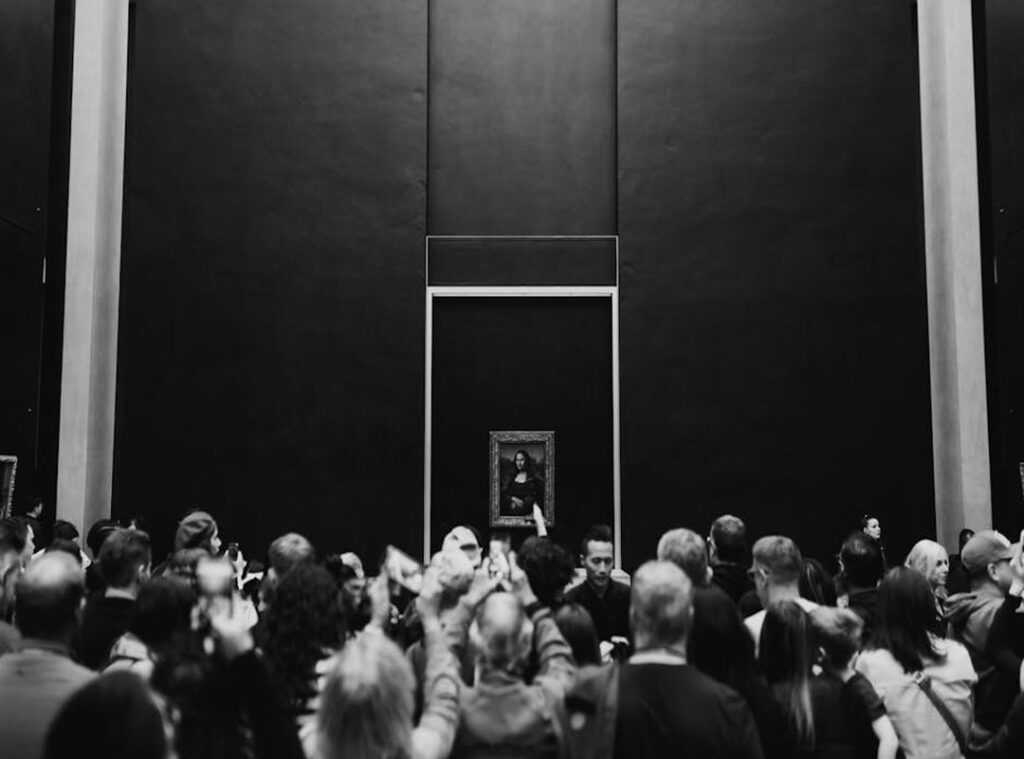
You’ve stood in front of a painting and felt nothing.
Or worse. You wanted to feel something, but got lost in the noise. The jargon.
The prices. The gatekeeping.
I’ve watched people walk out of galleries confused, not inspired. Like art was meant for someone else.
It’s not.
We only show work that changed how people see the world. Not just pretty things. Not trends.
Real milestones.
That’s why this isn’t another vague list of “top artists.” This is your direct line to the Art Famous Articles Artypaintgall that matter.
I’ve spent years sorting through what sticks. And what fades.
You’ll learn how to spot the pieces that earned their place in history.
No fluff. No filler. Just clarity.
You’ll know what to look for (and) why it lasts.
What Makes Art Actually Renowned?
I don’t buy the myth that fame equals value.
Renowned art isn’t just popular. It’s historical significance (a) marker in time that shifts how people see, think, or make.
It’s not about Instagram likes. It’s about who changed the game.
Take Impressionism. Critics called it sloppy. Painters couldn’t get gallery space.
Then Monet painted light like it breathed. Renoir made skin glow with color, not line. They broke rules (and) rewrote them.
That’s technical innovation. Not gimmicks. Real, bone-deep shifts in craft.
And influence? Manet didn’t just paint women. He made them look back.
That changed power dynamics in art forever.
Cultural impact isn’t measured in museum foot traffic. It’s whether the work leaks into film, protest signs, fashion, or your cousin’s tattoo.
Fame fades. Resonance sticks.
That’s why I’m picky about what lands on our walls.
Every piece in this guide passes that test. Not “is it pretty?” but “did it land a punch?”
I’ve seen too many galleries confuse noise for legacy.
They hang things because they’re safe. Or expensive. Or trendy.
We don’t.
Renown isn’t assigned. It’s earned (slowly,) loudly, sometimes angrily.
Does that mean old art is better? No. But it means new art has to do more than look good.
It has to last.
Art Famous Articles Artypaintgall? Skip the fluff. Read the ones that name names and call out hollow hype.
You’ll know the difference when you feel it in your chest. Not your feed.
Spotlight: Post-Impressionist Fields, Abstract Chaos, Modernist
I don’t hang art to match my couch.
I hang it because it punches me in the gut. Or whispers something I forgot I knew.
Post-Impressionist landscapes? They’re not pretty pictures. They’re emotional weather reports.
Van Gogh didn’t paint wheat fields. He painted anxiety, hope, and exhaustion all at once. In our collection, Sunset Over Arles (1889, hypothetical) shows thick, swirling gold strokes over violet soil.
The brushwork vibrates. You can feel the heat rising off the canvas. That’s the point.
Abstract Expressionist canvases? They’re not random splatters. They’re controlled detonations.
Pollock didn’t drip paint. He choreographed chaos. Our Black Veil No. 4 (1952, hypothetical) uses tar-black enamel over raw burlap.
No horizon. No figure. Just rhythm, tension, and a single red thread stitched across the bottom edge (like) a heartbeat you weren’t expecting.
It stops you cold.
Modernist sculptures? They’re not decorative. They’re arguments in bronze.
Brancusi didn’t carve birds. He asked what “flight” means when stripped bare. Our Stone Wing (1937, hypothetical) is a single smooth curve of white Carrara marble, no base, resting directly on the floor.
It looks weightless. It weighs 420 pounds. That contradiction is the whole damn point.
This isn’t decoration. It’s dialogue.
You either lean in. Or walk past.
We don’t collect for volume. We collect for Art Famous Articles Artypaintgall that hold up under long stares and hard questions.
Some pieces take three visits before they click.
I wrote more about this in Fine Art Infoguide.
That’s fine. Good art should outlast your first impression.
Pro tip: Stand still for 90 seconds in front of Stone Wing. Then step back. Tell me what changed.
It always does.
How to Pick Art That Stays With You
I buy art the way I buy coffee. If it doesn’t hit right in the gut, I walk away.
First. Look at your wall. Not the painting.
Your wall. Is it wide and bare? Or cramped between a bookshelf and a window?
A 48-inch canvas will drown a narrow hallway. (And yes, I’ve done that.)
Light matters more than people admit. That moody charcoal piece looks incredible under gallery track lighting (but) flat and dull in your north-facing living room. Test it.
Hang a sheet of paper the same size first. See how it breathes in the space.
Second. Ignore the label. Ignore the auction results.
Ignore what your friend’s cousin’s art advisor said.
If your chest tightens when you see it. Good. If you catch yourself staring at it while pretending to check your phone (better.) That’s the only metric that lasts longer than five years.
Fame doesn’t keep you warm at night. Investment charts don’t hang on your wall.
Third. Provenance isn’t paperwork. It’s proof the work hasn’t been dropped, drilled, or “restored” by someone’s uncle who liked oil paint.
Condition is non-negotiable. And artist trajectory? I watch for consistency.
Not hype. Someone with three solid solo shows and quiet museum placements beats ten viral Instagram posts any day.
You’ll find deeper guidance on this in the Fine Art Infoguide Artypaintgall.
That guide covers real-world red flags. Like faded pigments in sunlit rooms or unsigned editions masquerading as originals.
Art Famous Articles Artypaintgall? Skip them. They’re noise.
Buy what fits your space. Buy what stops your breath. Then protect it like it matters.
Because it does.
One pro tip: Always ask for UV photos of the surface before buying online. You’ll spot craquelure or overpainting fast.
The Artypaintgallery Standard: No Guesswork, Just Real Art

I don’t sell art. I vet it.
Every piece that lands here goes through Artistic Renowned Pieces screening. Not once, not twice, but four separate checks. Authentication first.
Then provenance. Then physical condition. Then market history.
If one step fails, it’s out. No exceptions.
Our curators aren’t just looking for names. They’re tracking studio records, exhibition logs, and prior ownership trails. Some pieces take three months to clear.
That’s normal. Rushing kills trust.
You want confidence, not brochures. So we offer personalized advisory sessions (no) pressure, no jargon. Just direct talk about what matters to you.
Is the signature real? Was this ever in a major museum show? Does the frame match the era?
I ask those questions before anything hits the wall.
We don’t list art unless we’d hang it in our own homes.
That’s why I point people to the Famous art articles artypaintgall. It breaks down how fakes slip through elsewhere (and how we stop them).
This Isn’t Just Wall Decor
I’ve watched people stare at blank walls for months.
Trying to find something that means something.
You want beauty. You want history. You don’t want another generic print that fades in six months.
Owning a piece from Art Famous Articles Artypaintgall isn’t about filling space. It’s about holding onto a real moment in art history. You’re not buying decor.
You’re stepping into the line of people who kept these stories alive.
What’s the point of living with art if it doesn’t stir you? If it doesn’t make you pause? If it doesn’t feel like it belongs with you?
Go look. Right now. Explore our curated collection of renowned art and discover the piece that will transform your space and your story.
Great art doesn’t wait.
Neither should you.
 Anna Freehill, a key contributor to Avant Garde Artistry Hub, plays a vital role in shaping the platform’s vision. As an author and collaborator, she helps bridge the worlds of art and technology, offering insightful articles that guide artists through the rapidly evolving creative landscape. Anna’s dedication to highlighting art's therapeutic value has contributed to the platform’s focus on mental and emotional well-being through creative expression.
Her involvement in building Avant Garde Artistry Hub has been instrumental in providing valuable resources to artists seeking to enhance their careers. Whether through her writing on business strategies or her support in platform development, Anna is committed to fostering a space where artists can thrive and embrace the future of art.
Anna Freehill, a key contributor to Avant Garde Artistry Hub, plays a vital role in shaping the platform’s vision. As an author and collaborator, she helps bridge the worlds of art and technology, offering insightful articles that guide artists through the rapidly evolving creative landscape. Anna’s dedication to highlighting art's therapeutic value has contributed to the platform’s focus on mental and emotional well-being through creative expression.
Her involvement in building Avant Garde Artistry Hub has been instrumental in providing valuable resources to artists seeking to enhance their careers. Whether through her writing on business strategies or her support in platform development, Anna is committed to fostering a space where artists can thrive and embrace the future of art.