
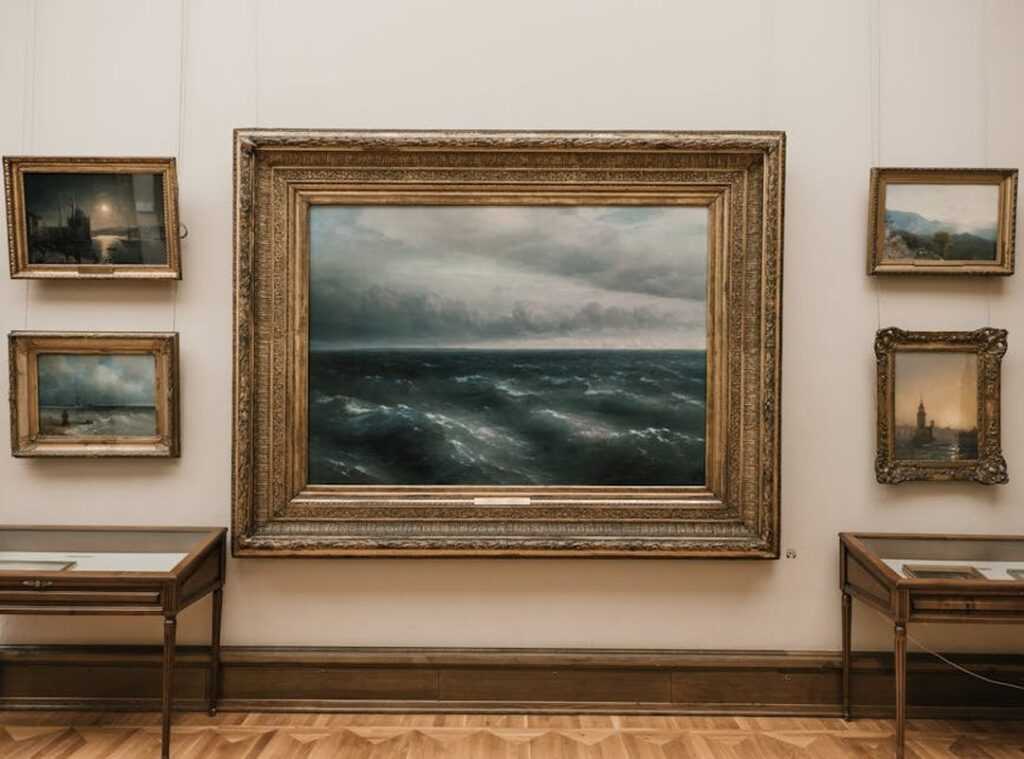
You’ve stood in front of an oil painting and felt something shift.
Not just looked. Felt the weight of the glaze, smelled the turpentine ghost still clinging to the frame, heard the hush in the room like people are holding their breath.
That’s Arcagallerdate.
I’ve walked those halls every season for eight years. Watched curators argue over brushstroke order. Sat through installation rehearsals where lighting changed three times before sunrise.
This isn’t about listing names and dates.
You want to know which Exhibitions Oil Paintings Arcagallerdate are open right now. Not next month, not last fall.
You want to recognize impasto when you see it. Understand why a 1923 regionalist’s palette matters in a 2024 show.
You want to walk in and get it. Not just nod and move on.
I know the rhythm. The seasonal shifts. How they tie each show back to local studio practices from the 1890s.
No fluff. No vague praise.
Just what’s hanging, how it’s lit, why the technique matters, and where to stand to see the real depth.
You’ll leave knowing exactly what to look for. And why it sticks with you after you walk out.
Oil Paint Isn’t a Relic. It’s a Choice
I walk into Arcagallerdate and smell linseed oil before I see the first brushstroke. (That’s not nostalgia. That’s intention.)
They don’t use oil paint because it’s old. They use it because it holds weight. Because drying time forces patience.
Because layering glazes builds depth you can’t fake with acrylics.
Most galleries treat oil like a museum display case. Polished, preserved, quiet. Arcagallerdate treats it like a live wire.
They back artists who push the medium from the inside: grinding their own pigments, building surfaces with rabbit-skin glue, waiting weeks between layers (then) painting about surveillance capitalism or microplastics in the food chain.
That recent solo show by Lena Voss? The one with the hazy, suffocating skies? She used thirty translucent oil glazes to mimic atmospheric density.
Each layer dried, sanded, re-primed. You stand three feet away and feel the heat rising off the canvas.
That’s why I keep coming back. Not for tradition. For tension.
The kind only oil delivers when handled like a living thing. Not a relic.
Exhibitions Oil Paintings Arcagallerdate don’t just hang on walls. They accumulate. They breathe.
They resist easy reading.
You ever try to photograph an oil painting and fail because the surface keeps shifting in the light?
Yeah. That’s the point.
Arcagallerdate still believes in slow making. In material honesty. In pigment that stains your fingers and your memory.
Oil Paintings Right Now: Where to Stand and Stare
I walked into Luminous Grounds last Tuesday. Still life isn’t dead. It’s just been waiting for people like Lena Cho.
She mixes her own walnut oil medium (slow-drying,) buttery, holds a brushstroke like memory holds a name. Her painting Pears on Zinc is 24 inches wide and thick with impasto. Light catches the ridges in the paint like it’s catching actual fruit skin.
You lean in. You smell linseed. You forget you’re in a gallery.
Veins of Memory opens Friday. Go. Bring a friend who argues about family photos.
Marcus Bell uses grisaille underpainting. That old-school gray monochrome base. Then glazes thin color over top.
His portrait Nana at 83 is 36×48 inches. The surface is smooth as old glass, but the eyes? They vibrate.
Like they’re holding breath. Conceptually? It’s not about age.
It’s about what survives the years.
The Alchemy of Lead White runs through July 20. No, lead white isn’t safe to eat. Yes, it’s still used.
Rosa Vargas grinds her own pigments. Her piece Study in Cremnitz is small (just) 12×16 (but) the texture is wild. Crystalline, almost sandy.
Light doesn’t reflect. It settles. It feels ancient and urgent at once.
All three shows are at Arcagallerdate. Dates are verified. Works are for sale unless marked “private collection.” Artist talks happen every second Saturday.
No studio visits this round. (Too many liability waivers.)
If you want real talk about pigment, brushwork, or why oil still matters. This is where you go.
This is the best stretch of Exhibitions Oil Paintings Arcagallerdate I’ve seen in two years.
How to Actually See an Oil Painting
I used to stand in front of oil paintings and think I was looking.
Then I learned light hits first. Not color, not subject, but where the paint catches and glints.
That’s step one. Always.
Where does the light catch? Not just the face or the vase. Look at the shoulder.
The rim of a cup. A fold in fabric. That tells you where the artist placed the light source.
And whether they meant it to feel real or symbolic.
Next: where is the paint thickest? Thinnest?
Impasto ridges cast tiny shadows. Thin glazes let underpainting bleed through like ghosts. You’ll miss both if you don’t get close.
What’s hidden beneath? Halos around edges. Slight shifts in tone where layers overlap.
That’s where pentimenti hide (the) artist’s second thoughts, buried but visible.
Bring a magnifying glass. Or use phone zoom on high-res online previews. Seriously.
I found a whole underdrawing in a Rembrandt detail last month using my iPhone.
How does the frame or wall color affect what you see? A warm frame makes cool blues vibrate. A gray wall swallows gold leaf.
Oil paintings change with time (and) with your eyes. Arcagallerdate knows this. Their Exhibitions Art Paintings run longer so you can come back.
And come back again.
Because the first look is just an introduction.
The second look is where the painting starts talking.
You’re not supposed to get it all at once.
You’re supposed to return.
Beyond the Walls: Workshops, Residencies, and Real Talk
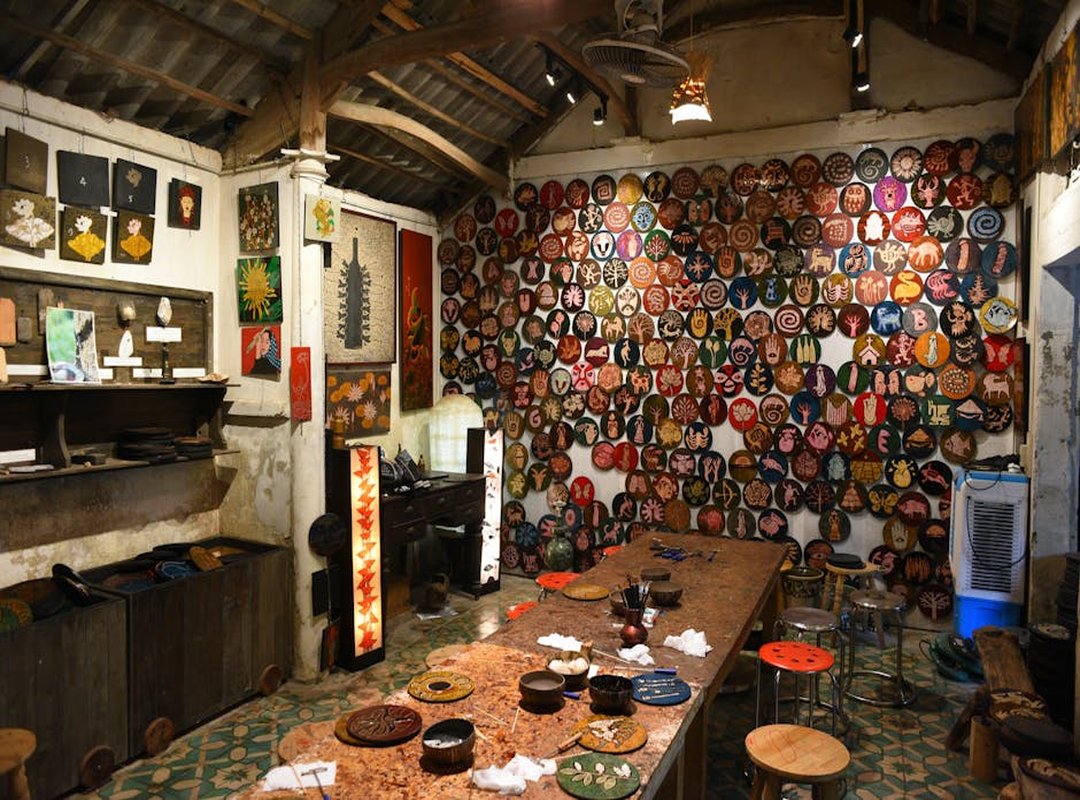
I teach oil painting. Not theory. Not slides.
Actual brush-in-hand work.
Arcagallerdate runs three core oil-specific offerings. None of them fluff.
First: Oil Medium Basics. You show up with zero experience. You leave knowing how linseed works, why turpentine matters, and when to stop adding medium.
(Yes, people over-medium.)
Second: Classical Glazing Intensives. This is for painters who’ve hit a wall with depth. We rebuild luminosity layer by layer.
It’s slow. It’s exacting. It’s worth it.
Third: Open Studio Days. Resident artists open their studios (no) curation, no framing, just paint, rags, and real-time decisions.
The residency lasts six weeks. We pick based on material curiosity. Not CVs.
School partnerships? Students study current shows, then make their own oil studies. No “art project” vibes.
Every resident leads at least one live demo. Some make pigments from scratch. Others show how to fix a muddy passage mid-canvas.
Just pigment, canvas, and observation.
We also run Touch & Talk sessions (free,) tactile replicas, trained describers. Oil isn’t just visual. It’s texture.
It’s weight. It’s smell.
This isn’t about preserving oil painting as a relic.
It’s about keeping it breathing.
That’s why I keep coming back to the this post page (it’s) the only place that treats these works like living things.
You’re Ready to Stand in Front of the Paint
I’ve shown you what makes Exhibitions Oil Paintings Arcagallerdate different.
Not just hanging art. Not just pretty frames. Real oil.
Thick, slow-drying, alive with texture and time.
You wanted meaning. You wanted access. You got both.
No gatekeeping. No jargon. Just oil paint, seen clearly.
You already know how hard it is to really look at a painting. To feel its weight. Its breath.
So go deeper (not) later. Now.
Check the gallery’s calendar for the next opening reception. Sign up for the workshop waitlist. Or grab the free Oil Painting Observation Guide PDF right now.
It takes two minutes. It changes how you see everything.
In every stroke, there’s a story waiting (and) Arcagallerdate gives you the eyes to read it.
 Anna Freehill, a key contributor to Avant Garde Artistry Hub, plays a vital role in shaping the platform’s vision. As an author and collaborator, she helps bridge the worlds of art and technology, offering insightful articles that guide artists through the rapidly evolving creative landscape. Anna’s dedication to highlighting art's therapeutic value has contributed to the platform’s focus on mental and emotional well-being through creative expression.
Her involvement in building Avant Garde Artistry Hub has been instrumental in providing valuable resources to artists seeking to enhance their careers. Whether through her writing on business strategies or her support in platform development, Anna is committed to fostering a space where artists can thrive and embrace the future of art.
Anna Freehill, a key contributor to Avant Garde Artistry Hub, plays a vital role in shaping the platform’s vision. As an author and collaborator, she helps bridge the worlds of art and technology, offering insightful articles that guide artists through the rapidly evolving creative landscape. Anna’s dedication to highlighting art's therapeutic value has contributed to the platform’s focus on mental and emotional well-being through creative expression.
Her involvement in building Avant Garde Artistry Hub has been instrumental in providing valuable resources to artists seeking to enhance their careers. Whether through her writing on business strategies or her support in platform development, Anna is committed to fostering a space where artists can thrive and embrace the future of art.