
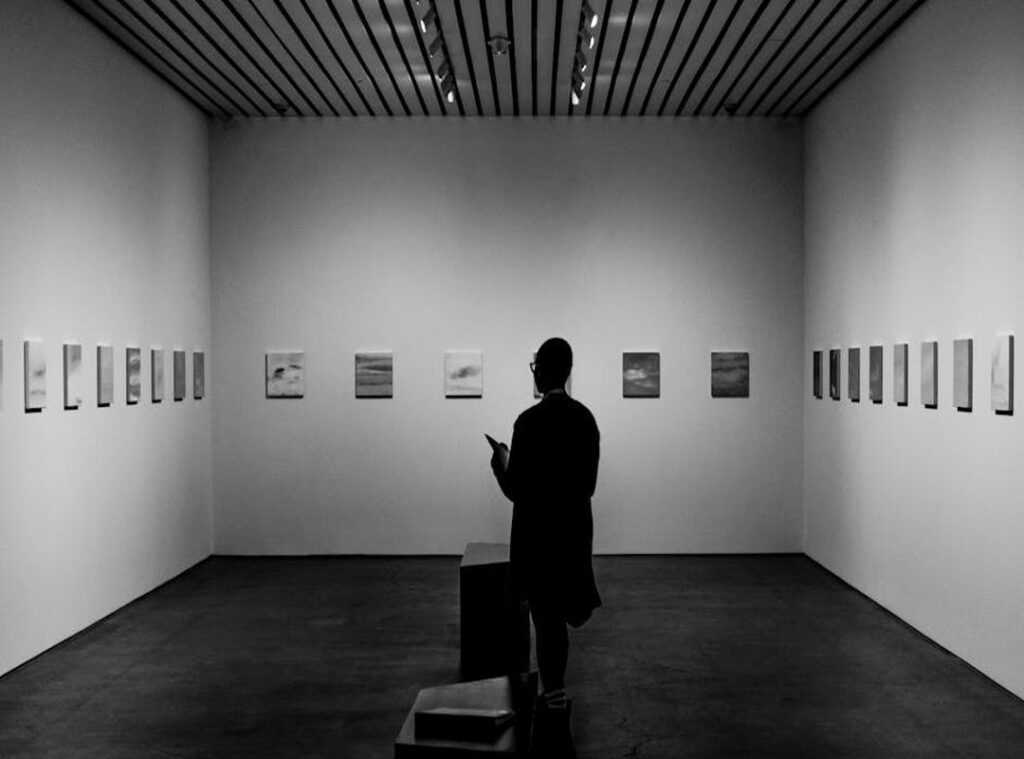
You’re standing in front of a painting. It’s bold. It stops you cold.
You have no idea how it got there.
Most people don’t. They see the art. Not the contracts, the insurance forms, the late-night calls to artists, the rent due next Tuesday.
I’ve watched galleries operate from the inside for over twenty years. Not just in New York or London. In Bogotá, Seoul, Detroit.
Places where rent is high and collectors are scarce.
This isn’t about taste.
It’s not about what looks good on a wall.
It’s about how galleries actually function as businesses. How they pay staff. How they vet artists.
How they survive three months with zero sales.
How Art Galleries Work Arcagallerdate isn’t theory. It’s what I saw happen. Week after week.
Behind closed doors.
No fluff. No jargon. Just the real workflow: acquisition to sale, studio visit to shipping label.
I’m not guessing. I sat in those meetings. I reviewed those invoices.
I watched directors negotiate loans while their phones buzzed with gallery fairs they couldn’t afford.
You’ll walk away knowing exactly who does what. And why it matters.
The Curatorial Pipeline: Scout → Hang → Open
I walk into studios. I scroll portfolios at 2 a.m. I show up unannounced at art fairs (sometimes with coffee, sometimes without).
Scouting isn’t romantic. It’s legwork. And yes (I’ve) missed great work because the website was down or the studio door was locked.
Then comes the proposal. I read it twice. Once for the idea.
Once for the budget line items.
Contract negotiation? That’s where things get real. Artists deserve fair pay.
Galleries need to stay open. Neither side wins if we pretend those tensions don’t exist.
Production support means showing up for the messy middle. Framing delays. Shipping disasters.
Printer errors on wall text. I’ve held a drill while an artist adjusted lighting at 10 p.m. on opening night.
Installation logistics are not glamorous. They’re precise. A half-inch off ruins the rhythm.
Take Lena Cho’s 2023 solo debut. We signed in March. Built the checklist in April.
Installed May 12. Opened May 18. No magic.
Just Arcagallerdate’s documented cadence. And people who showed up.
Solo shows demand more staff hours than group shows. Thematic exhibitions spread labor across more artists but require tighter conceptual framing.
Audience appeal matters. Commercial viability matters. But neither overrides the artist’s vision.
Or shouldn’t.
How Art Galleries Work Arcagallerdate is clear only when you see the calendar, the checklists, the actual dates.
Arcagallerdate makes that visible.
No secrets. Just systems.
I trust them because I’ve used them.
You should too.
Who Actually Keeps the Lights On?
I used to think galleries ran on charisma and coffee. Turns out they run on registrars.
The registrar verifies provenance before every loan. Every single time. No exceptions.
(Yes, even for that Picasso sketch you’re sure came from a Swiss vault.)
You can read more about this in Gallery Oil Paintings Arcagallerdate.
The preparator handles physical care. They measure humidity in storage rooms. They test lighting on fragile pigments.
They say “no” to hanging requests that’ll fade a canvas in six months.
Sales coordinator? They track collector preferences like a bloodhound. Not just “likes blue paintings”.
More like “buys works on paper under $25k, responds only to Tuesday emails.”
Communications manager writes press releases and edits Instagram captions. And yes, they fact-check the director’s off-the-cuff quotes before sending.
My typical Tuesday? Morning: inventory audit (count) every frame, check every condition report. Midday: prep for a press call about a new exhibition.
I rewrite three versions of the same quote. Afternoon: follow up with a collector who asked about framing options two weeks ago. Evening: walk through an installation with the preparator and curator.
We move a sculpture twice. Then once more.
During Art Basel week? Everyone shares one Slack channel. Registrar logs loan updates.
Preparator posts install photos with timestamps. Sales coordinator drops collector arrival notes. No meetings.
Just updates. Real-time.
Arcagallerdate standardizes all this across cities. Same checklist. Same deadlines.
Same tone in client emails. It’s how you avoid chaos when you’ve got galleries in Miami, Berlin, and Seoul running the same show.
How Galleries Actually Pay the Bills
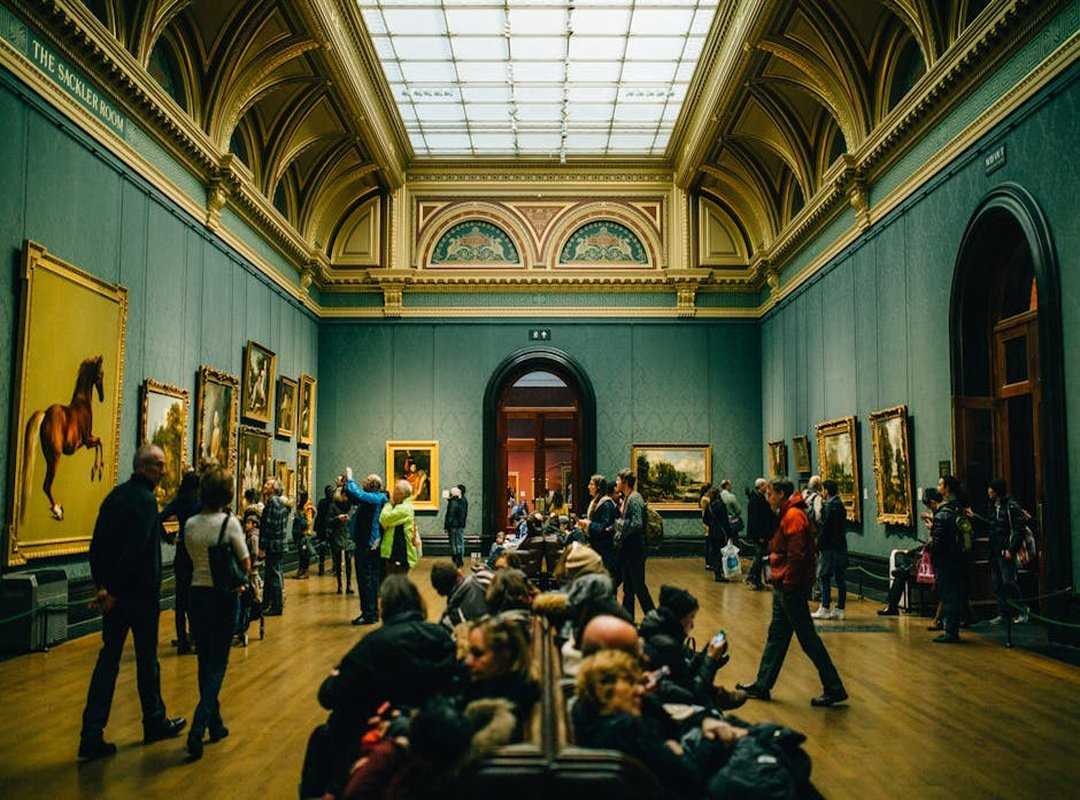
I’ve watched galleries fold because they treated pricing like magic. It’s not. It’s math with taste.
Commission is where most of the money lives. Most charge 40. 60% on primary market sales. That’s not greed.
It’s rent, payroll, insurance, and framing supplies. If you think that’s high, try paying a conservator $120/hour to fix a humidity warp.
Pricing isn’t “what the market wants.” It’s artist history, medium, size, edition status (and) real comps. Not guesses. Not vibes.
Last year’s sale of a 36×48” oil by the same artist? That’s your anchor. (Not the one that sold at auction for double (ignore) outliers.)
You’ll see non-sales revenue too. Private viewing fees. Catalog publishing.
Limited-edition prints. Institutional rental programs. These aren’t side hustles.
They’re lifelines.
Arcagallerdate’s public annual summary shows how tight it really is: 35% staff, 25% marketing, 20% insurance and storage, 20% programming. No fluff. No reserves.
Just what keeps the lights on.
That’s why I always check their Gallery Oil Paintings Arcagallerdate page first. It shows which works are priced consistently across series, not just the flashiest pieces.
How Art Galleries Work Arcagallerdate isn’t a mystery. It’s overhead, honesty, and knowing when to say no to a sale.
Most galleries lose money on their first three years. Not because they’re bad. Because they underprice or over-spend on Instagram ads.
You want sustainability? Start with the numbers (not) the narrative.
Legal Bones: What Holds a Gallery Together
I’ve watched good deals die over missing paperwork. Not drama. Just one unsigned consignment agreement.
You need four documents on file for every artwork: consignment agreements, loan forms, copyright licenses, and artist resale royalty disclosures (where law requires them).
Title insurance? Not optional. Neither are condition reports.
In 2022, a $4.2M Rothko sale collapsed because the gallery skipped a formal condition report. Buyer’s insurer refused coverage when a pre-existing craquelure worsened during transit. (Yes, that’s a real thing.)
Arcagallerdate anchors provenance in blockchain-anchored records. But we don’t just trust the tech. We pair it with third-party authenticators (people) who’ve spent decades studying brushstroke patterns and studio stamps.
Fair pay policies? Transparent commission splits? AML checks on anything over $10k?
These aren’t “nice-to-haves.” They’re how you stay open past year three.
Ethics isn’t a department. It’s the first line of every contract.
If you’re wondering how art galleries work Arcagallerdate, start here (not) with the sales pitch, but with the paper trail.
That’s where how galleries make money Arcagallerdate actually begins.
You Now See the Gears
I used to stare at gallery walls and wonder who decided what hung where. Who paid for it. Who approved it.
Who got left out.
That confusion? It’s not your fault. It’s the system hiding in plain sight.
We covered curation, staffing, finance, compliance. Not as theory, but as levers you can actually pull. How Art Galleries Work Arcagallerdate makes them visible. Replicable.
Yours to question.
You don’t need permission to audit a gallery. Just their website. Their press releases.
Their job postings.
Download the free Arcagallerdate operational checklist now. Pick one local gallery. Scan their public materials against it.
See what’s missing. See what’s implied. See what’s not said.
Most people stay confused because they wait for someone to explain.
You didn’t wait.
Your move.
When you understand the operation, you don’t just see the art. You see the intention, labor, and integrity behind it.
 Anna Freehill, a key contributor to Avant Garde Artistry Hub, plays a vital role in shaping the platform’s vision. As an author and collaborator, she helps bridge the worlds of art and technology, offering insightful articles that guide artists through the rapidly evolving creative landscape. Anna’s dedication to highlighting art's therapeutic value has contributed to the platform’s focus on mental and emotional well-being through creative expression.
Her involvement in building Avant Garde Artistry Hub has been instrumental in providing valuable resources to artists seeking to enhance their careers. Whether through her writing on business strategies or her support in platform development, Anna is committed to fostering a space where artists can thrive and embrace the future of art.
Anna Freehill, a key contributor to Avant Garde Artistry Hub, plays a vital role in shaping the platform’s vision. As an author and collaborator, she helps bridge the worlds of art and technology, offering insightful articles that guide artists through the rapidly evolving creative landscape. Anna’s dedication to highlighting art's therapeutic value has contributed to the platform’s focus on mental and emotional well-being through creative expression.
Her involvement in building Avant Garde Artistry Hub has been instrumental in providing valuable resources to artists seeking to enhance their careers. Whether through her writing on business strategies or her support in platform development, Anna is committed to fostering a space where artists can thrive and embrace the future of art.